
If you are planning a summer trip and looking for beautiful coastal destinations in the Mediterranean, Tunisia is often one of the most overlooked countries — and that is exactly what makes it special.
Along its long coastline, Tunisia offers a surprising variety of seaside experiences. In a single journey, you can move from lively resort areas with modern facilities to quiet, untouched stretches of sand where nature is still the main attraction.
What makes the Tunisian coast particularly interesting is not just its scenery, but its contrast. Some areas feel vibrant and developed, while others remain simple, calm, and deeply connected to local life.
Unlike many popular European beach destinations, you will often find more space, more affordability, and a more relaxed atmosphere — especially outside peak tourist zones.
👉 With more than 1,300 km of coastline, Tunisia offers one of the most diverse and accessible beach experiences in the Mediterranean region.
This guide will help you explore the most remarkable coastal spots in the country, based on real travel value: water quality, atmosphere, accessibility, and overall experience.
Why Tunisia Feels Like an Underrated Mediterranean Escape
Tunisia sits in a unique position in the Mediterranean, offering a coastline that remains surprisingly underexplored compared to many European destinations. Despite its strategic location, it is still often overlooked by international travelers, which contributes to its sense of authenticity.
The country stands out mainly because of its coastal diversity. Travelers can experience modern seaside resorts with full services, and just a short distance away, find quiet beaches where nature dominates the landscape. This balance creates a travel experience that feels varied and flexible.
Another defining factor is the contrast between developed tourist zones and more natural coastal areas. Some beaches are lively and organized with restaurants and activities, while others remain calm, simple, and shaped by local life rather than tourism.
Affordability also plays a major role. Compared to many Mediterranean destinations, Tunisia remains accessible in terms of accommodation, food, and transport, making it attractive for a wide range of travelers.
Despite these strengths, Tunisia is still underestimated as a beach destination, as many travelers tend to focus on more well-known Mediterranean countries.
A Coastline Full of Contrasts and Diversity
Tunisia’s coastline stretches across the Mediterranean and is made up of several distinct regions, each offering a different coastal identity.
Northern areas are generally greener and more natural, often featuring rocky landscapes and quieter beaches. The eastern coast is more developed, with long sandy beaches and well-known resort towns. Island regions such as Djerba and Kerkennah offer a slower pace of life and a more traditional atmosphere. In contrast, some remote areas remain almost untouched, with minimal tourism infrastructure.
This diversity is what makes the Tunisian coastline so interesting to explore. Rather than experiencing a single type of beach environment, travelers can discover multiple coastal atmospheres within one country.
Who Will Enjoy These Coastal Destinations?
The Tunisian coastline naturally appeals to different types of travelers depending on their expectations and travel style.
Families will find many beaches with calm and shallow waters, suitable for safe and relaxed days by the sea. Couples are often drawn to quieter areas that offer sunsets and peaceful surroundings. Solo travelers benefit from calm coastal spots that allow for relaxation and reflection away from crowded environments.
For more active visitors, certain beaches offer water sports such as jet skiing, snorkeling, and boat trips, especially in developed coastal regions. Meanwhile, photography enthusiasts are attracted by the natural contrast between turquoise waters, cliffs, and open horizons.
What to Know Before Exploring the Beaches
Before visiting Tunisia’s coastal areas, it is important to understand a few practical elements that influence the experience.
The best weather conditions are generally found between late spring and early autumn, when temperatures are warm and suitable for swimming. During summer, the sea becomes particularly pleasant, though some popular beaches can be crowded on weekends.
Access and infrastructure vary significantly depending on the region. Some beaches are well-equipped with services, while others are more natural and require preparation before visiting. Understanding these differences helps travelers choose the right type of beach experience.
Now that you understand Tunisia’s coastal diversity and travel context, it’s time to explore the highlights of this guide. The following section presents the most remarkable beaches in Tunisia, selected based on water quality, landscape, accessibility, and overall travel.
Top 10 Best Beaches in Tunisia (Detailed Guide)
Below is a carefully curated selection of Tunisia’s most remarkable coastal destinations. Each beach is chosen for its unique natural structure, travel experience, and geographical identity, rather than popularity alone.
Ain Mestir Beach – Bizerte
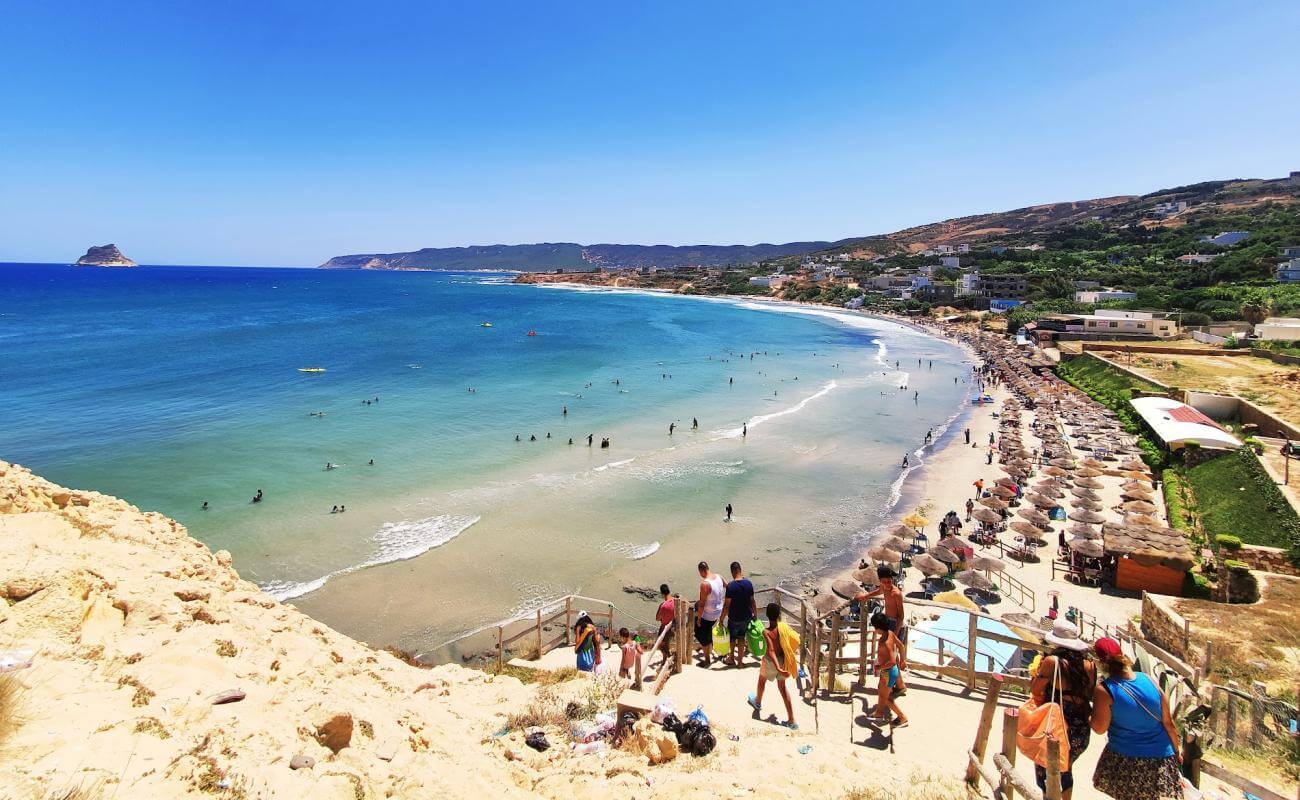
Ain Mestir Beach is located in the Sounine area, between Raf Raf and Ras Jebel in the Bizerte region, around 30 km from Bizerte city and approximately 60 km from Tunis. The access is mainly by car, following a coastal road that gradually shifts from rural villages to a more open Mediterranean landscape, turning the journey itself into part of the experience.
This stretch of coastline is known for its contrast between turquoise water, sandy areas, and surrounding hills, which give the beach a naturally scenic character. Depending on the section, the seabed can be shallow and sandy, making swimming easy, while other parts are shaped by more natural coastal formations.
Ain Mestir is also influenced by the wider Sounine area, which is known for its natural freshwater springs, adding ecological richness to this part of the northern coast. This mix of inland water sources and sea creates a more varied environment compared to typical beaches in the region.
The beach remains largely undeveloped, offering a simple and natural setting rather than organized tourist infrastructure. Visitors usually come for day trips, swimming, and quiet seaside relaxation, especially in warmer months when conditions are most pleasant.
👉 Best for: swimming, nature-based beach trips, quiet coastal escape, scenic road access.
Cap Zebib Beach – Bizerte
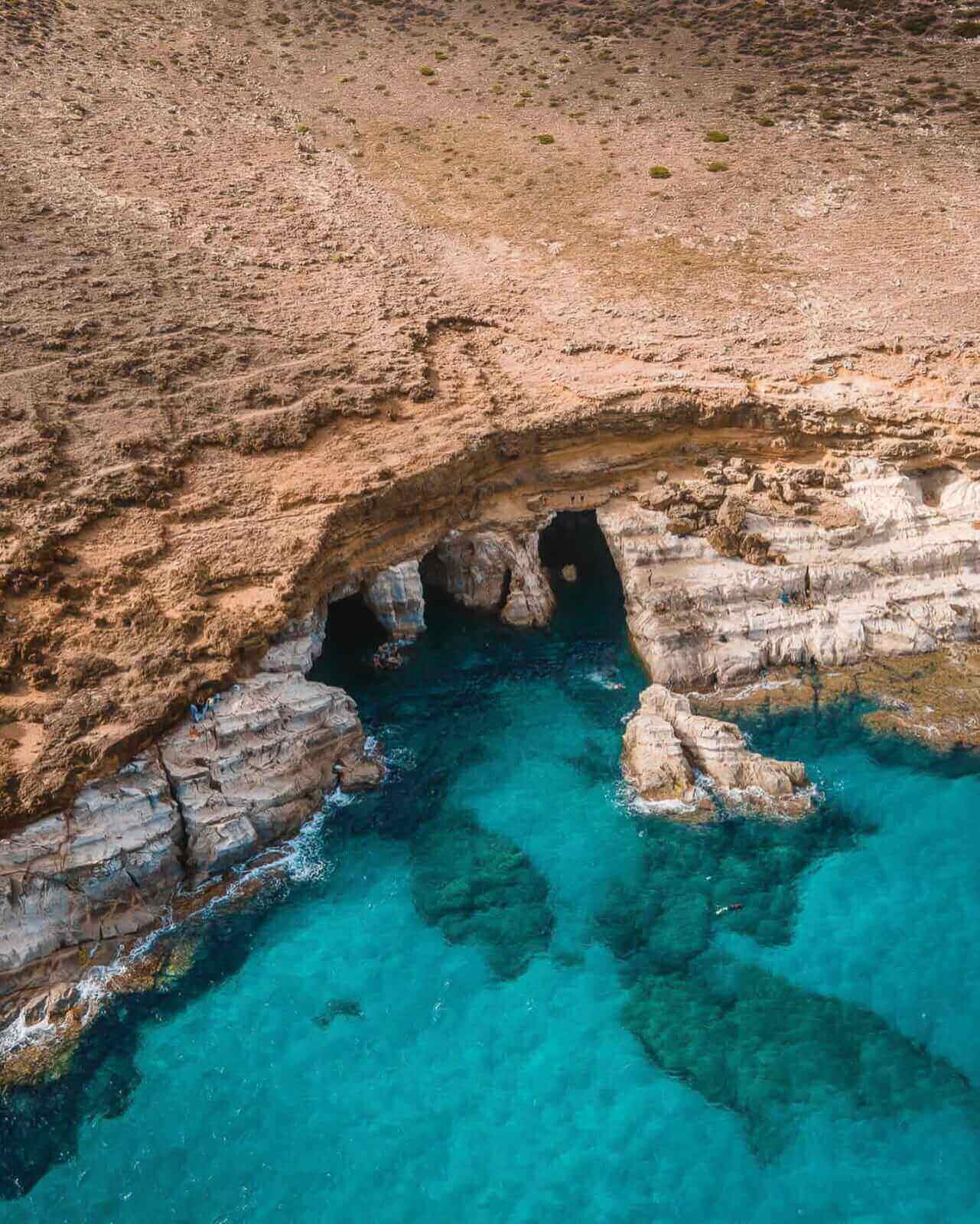
Cap Zebib Beach is found along the northern coastline of the Bizerte region, near the village of Métline and approximately 30 km east of Bizerte city. This part of the coast is known for its rugged natural character, where limestone formations, Mediterranean vegetation, and small sandy coves replace the more structured beach environments found in Tunisia’s major tourist resorts.
Accessing the beach requires a short journey off the main coastal road. After passing through Métline, the paved road ends close to the shoreline, and visitors continue on a short unpaved track of around one kilometre. The route is generally manageable by standard car when driven slowly, and a small informal parking area is usually available near the entrance during the summer season.
One of the most distinctive features of Cap Zebib is its natural rock pools known as El Jwebi, formed by centuries of sea erosion. These clear water basins are one of the most unique attractions in the region, offering natural swimming spots and making the area particularly popular for snorkeling and coastal exploration. The shoreline itself alternates between soft sand and rocky sections, giving visitors both comfortable swimming areas and more adventurous spots to explore marine life.
Despite its growing popularity in summer, Cap Zebib has managed to retain a wild and relatively unspoiled atmosphere. During the high season, some basic facilities appear temporarily, including sun umbrellas and simple seating areas, while a few nearby local restaurants serve fresh grilled fish and seafood with views over the sea, adding a local culinary experience to the visit.
Because of its limited size, the beach can become crowded in peak months, especially on weekends. Early morning visits during weekdays offer the best conditions, with calmer waters, better visibility for snorkeling, and easier access to parking.
👉 Best for: snorkeling, natural rock pools (El Jwebi), coastal photography, seafood experience, and quiet beach exploration.
Hammam El Ghzez Beach – Cap Bon
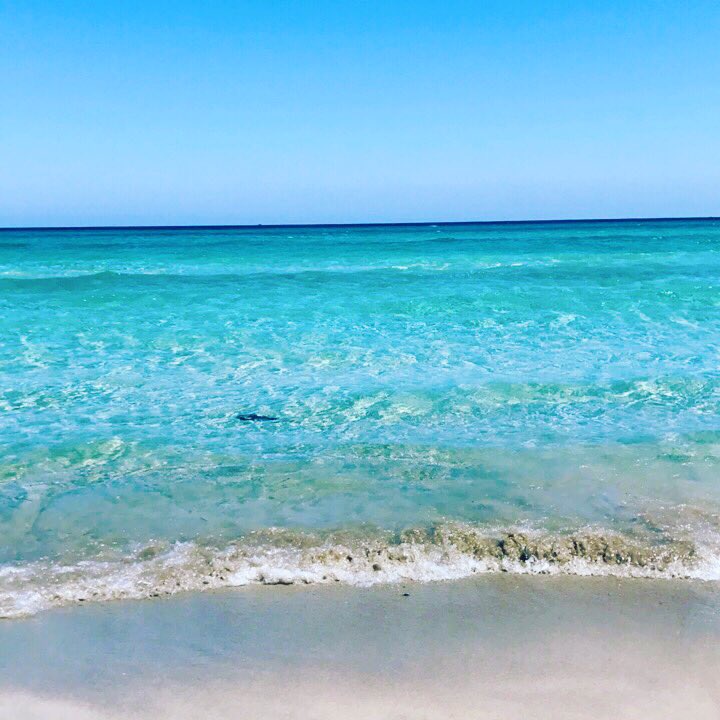
Along the eastern coast of the Cap Bon Peninsula, Hammam El Ghzez Beach unfolds as a long stretch of fine white sand bordered by clear, shallow Mediterranean waters. Just north of Kelibia, it offers a calmer alternative to the more crowded beaches in the region, while keeping a simple and authentic coastal atmosphere shaped by nature rather than large resort développements.
The beach is particularly appreciated for its gentle slope and calm sea conditions, which make it suitable for families, casual swimmers, and visitors looking to spend long relaxing hours by the water. During the summer season, a few temporary cafés and small seaside restaurants, including Espace Jawhara, provide food, drinks, and basic beach services without disturbing the natural environment.
What truly defines Hammam El Ghzez is the presence of the El Karkara shipwreck, located near the Sidi Mansour coastal area. Resting in shallow, crystal-clear water close to the shore, the partially submerged vessel is visible even from the beach. Over time, it has transformed into an artificial reef, attracting schools of fish and creating a unique snorkeling spot. On calm days, visitors can swim out to the wreck, explore its structure, or simply observe how it contrasts dramatically with the turquoise sea — making it one of the most photogenic and unusual coastal sights in Tunisia.
Because of its popularity in summer, the beach can become busy during weekends and peak hours. Early morning visits, especially on weekdays, offer a noticeably better experience with calmer waters, easier parking, and optimal visibility around the shipwreck.
👉 Best for: family beach days, snorkeling, the El Karkara shipwreck, underwater photography, and quiet coastal relaxation.
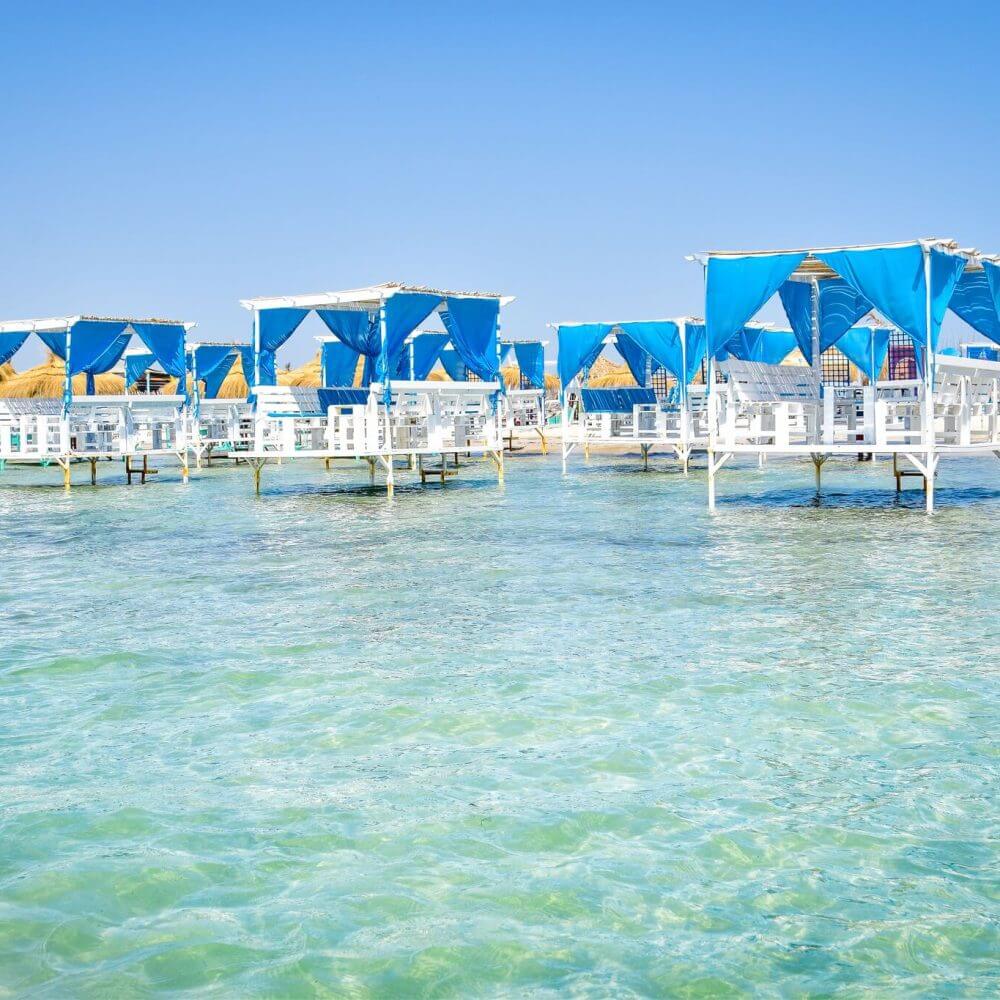
Sidi Ali El Mekki Beach – Ghar El Melh, Bizerte
Sidi Ali El Mekki Beach is one of the most remarkable coastal destinations in northern Tunisia, located within the Ghar El Melh area in the Bizerte governorate. Set at the foot of the green slopes of Cap Farina, the beach is known for its striking natural contrast between the surrounding mountains and the turquoise waters of the Mediterranean, creating one of the most visually distinctive coastal landscapes in the country.
The beach features fine white sand and very shallow, calm waters, especially in the first meters from the shore, which makes it particularly suitable for families and non-experienced swimmers. The gradual seabed and generally stable sea conditions contribute to a safe and relaxed swimming environment compared to more exposed beaches along the northern coast.
Unlike more remote beaches that require boat access, Sidi Ali El Mekki is fully accessible by car, which makes it one of the easiest natural beaches to reach in the region. This accessibility has contributed to its growing popularity, especially during weekends and summer holidays.
In recent years, the beach has also developed a more structured seaside experience with several seasonal beach lounges and restaurants directly set on the sand. These establishments offer a mix of relaxation and comfort, often combining sunbeds, shaded cabanas, and seafood-based dining:
Some venues offer private beach cabanas with traditional Tunisian meals and grilled fish served directly by the sea.
Others focus on a more modern “lounge beach” experience with comfortable sunbeds, sea swings, and direct service on the sand.
Larger setups provide full-day beach packages including food, drinks, and shaded relaxation areas.
This blend of natural beauty and light beach infrastructure gives Sidi Ali El Mekki a dual identity: part untouched natural escape, part organized seaside experience.
Because of its popularity and accessibility, the beach can become crowded during peak summer days. Visiting early in the morning or during weekdays is recommended to enjoy the calmest conditions and the clearest water.
👉 Best for: families, easy-access beach trips, swimming in shallow water, beach clubs & lounges, and scenic mountain-meets-sea landscapes.
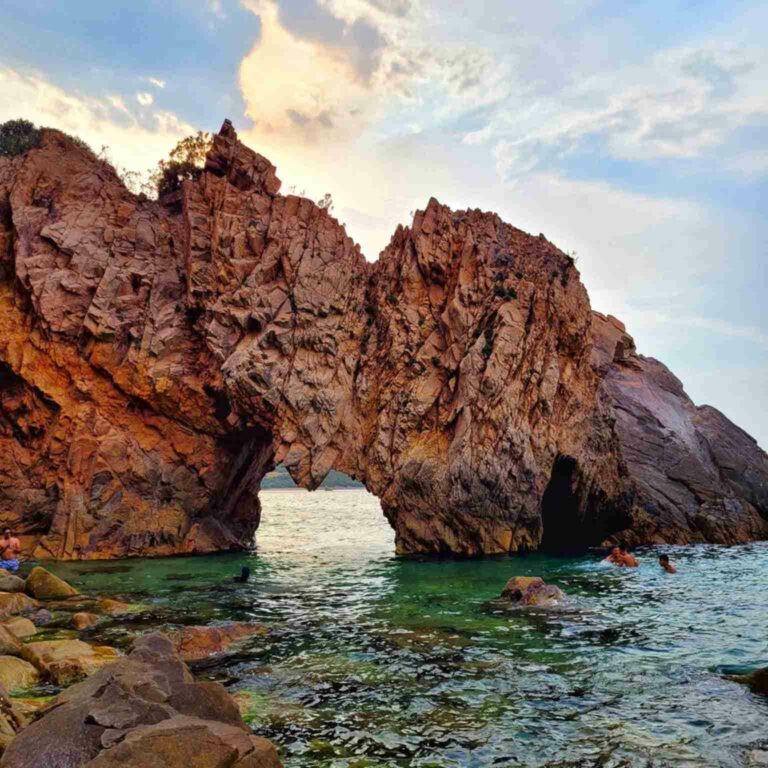
Melloula (Maloula) Beach – Tabarka, Jendouba
Melloula Beach, also known as Maloula, is a remote and untouched coastline near Tabarka, close to the Algerian border. Surrounded by pine and eucalyptus forests, it combines golden sand, rocky formations, and crystal-clear turquoise water, creating one of the most peaceful natural settings in northwest Tunisia.
The beach is located around 10–12 km west of Tabarka. Access requires a scenic drive followed by a forest track that descends toward the sea. The final part of the route is narrow and unpaved, which adds to the feeling of reaching a hidden natural spot.
What makes Melloula special is its wild and varied landscape, where sandy areas meet rocky coastal zones and dense vegetation. This natural mix makes it ideal for visitors looking for a quiet escape away from developed tourist beaches.
The beach is also popular for outdoor activities. Its clear water and rocky seabed are perfect for snorkeling, while local fishermen offer boat trips to nearby caves and hidden coves along the coast.
During summer, a few simple beach services appear, including small food cabins serving grilled fish and shaded areas for relaxation. Despite this, the beach keeps its raw and natural character.
Melloula remains quiet even in peak season, making it a strong choice for camping, photography, and coastal hiking.
👉 Best for: wild beaches, snorkeling, camping, hiking, boat trips, and nature escapes.
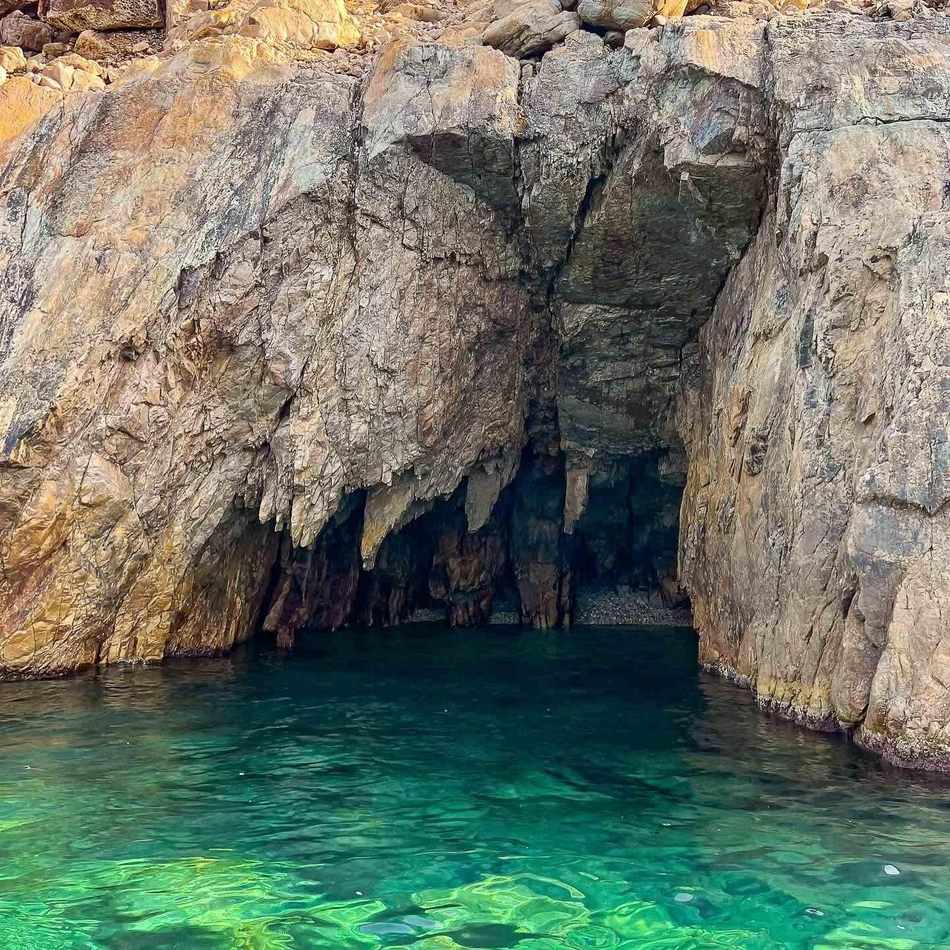
El Mteris Caves & Crique – El Haouaria, Cap Bon
El Mteris Crique and the nearby sea caves of El Haouaria are part of one of the most striking coastal landscapes in the Cap Bon region. This area is not a conventional beach but a wild stretch of coastline made of cliffs, hidden coves, and deep turquoise water, accessible mainly by boat from El Haouaria.
Departures are usually organized from the local marina, where small boats and fishing vessels take visitors along the rocky coastline. The ride itself reveals impressive limestone formations and openings in the cliffs that lead to secluded sea caves.
The site stands out for its exceptionally clear water and dramatic rock formations, making it a strong spot for snorkeling and underwater exploration around submerged rocks and cave entrances. Visibility is often very good, which allows visitors to observe marine life close to the shoreline.
Kayaking is also a popular activity here, especially for those who want to move closer to the cliffs and enter narrow natural passages that are inaccessible to larger boats. It offers a more immersive way to experience the coastline.
Most visits are part of organized excursions that combine boat transport, swimming stops in sheltered coves, and sometimes a traditional seafood lunch prepared locally, creating a mix of adventure and comfort.
👉 Best for: boat trips, snorkeling, kayaking, sea caves, and wild coastal exploration.
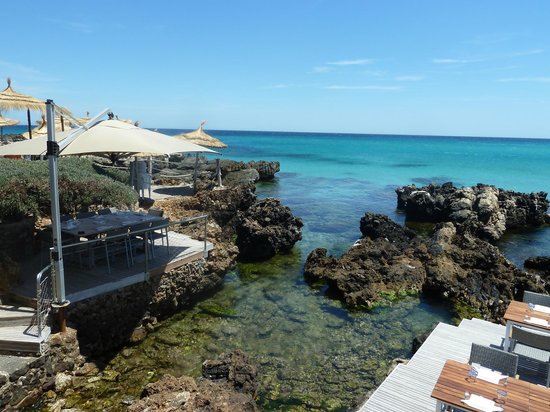
La Mansourah Beach – Kélibia, Cap Bon
La Mansourah Beach in Kélibia is widely considered one of the most stunning beaches in Tunisia, often compared to Mediterranean destinations known for their crystal-clear waters and white sandy shores. Stretching along the famous “Kélibia la Blanche” coastline, it stands out for its exceptional water clarity and postcard-like scenery.
The beach is characterized by an ultra-fine white sand that remains comfortable even under strong summer sun. The sea here forms a wide natural lagoon with shallow, calm waters that extend several meters, making it especially suitable for swimming, families, and relaxed seaside walks.
One of the most striking features of this area is the panoramic view of the historic Kélibia Fort, which rises above the coastline. This ancient fortress adds a strong cultural and visual identity to the beach, offering a rare combination of natural beauty and historical heritage in a single setting.
La Mansourah is also a great spot for light water activities such as kayaking, paddleboarding, and snorkeling, thanks to its transparent water and gentle sea conditions. Small fish can often be seen close to the shore, especially in the early morning when the sea is calmest
Just a few minutes away, visitors can explore local seafood restaurants serving fresh daily catch from Kélibia’s active fishing port. One of the most well-known spots is Restaurant El Mansourah, offering traditional grilled fish with a direct view over the sea, making it a popular stop after a beach day.
👉 Best for: swimming, families, crystal-clear water, photography, kayaking, and historical coastal views.
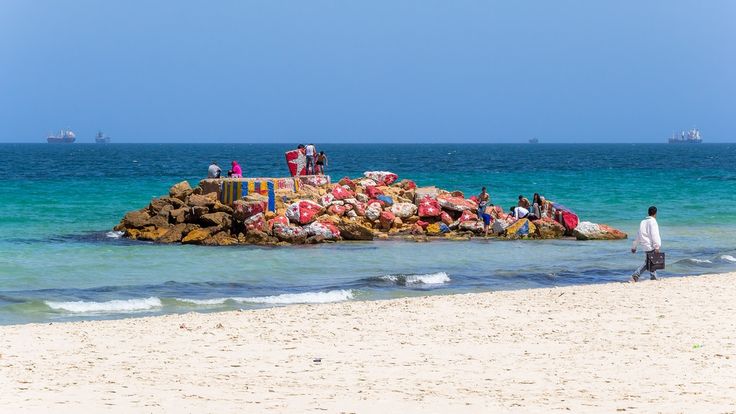
Bou Jaafar Beach – Sousse
Bou Jaafar Beach is the main urban beach of Sousse, located directly along the city’s lively seafront promenade. Its central position makes it one of the most accessible beaches in Tunisia, just steps away from the historic medina and the modern city center.
The beach is known for its long stretch of sand bordered by a vibrant corniche filled with cafés, restaurants, and public spaces. This creates a dynamic atmosphere that is very different from the quieter beaches of the country, especially in the late afternoon and during summer evenings when the area becomes a social hub.
Bou Jaafar is a popular choice for both locals and tourists looking for a quick swim or a relaxed walk by the sea without leaving the city. The beach itself is wide and open, offering enough space for sunbathing, although it can become quite busy during peak season due to its popularity.
Its biggest advantage is the combination of urban energy and seaside access, allowing visitors to enjoy both beach time and city life in a single location. It is also surrounded by hotels, making it convenient for short stays and city-based vacations.
👉 Best for: urban beach experience, evening walks, cafés, swimming, and lively atmosphere.
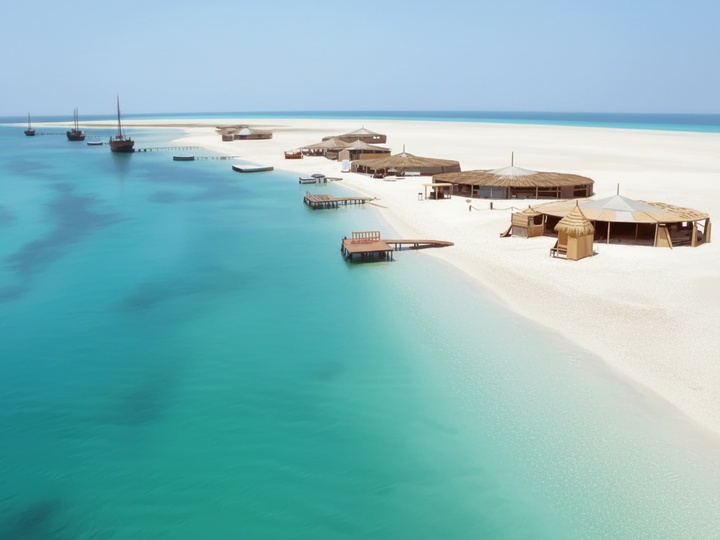
Sidi Mahrez Beach – Djerba
Sidi Mahrez Beach is the most famous and visited beach in Djerba, stretching along the island’s north-eastern coast near the tourist zone of Midoun. It is known for its long white sandy shoreline and shallow turquoise waters, creating a calm and inviting setting for swimming throughout the summer.
The sea here is generally warm and very clear, with gentle waves and a gradual depth that makes it suitable for families and relaxed beachgoers. Its lively atmosphere sets it apart from quieter beaches, with constant activity along the shore and a strong mix of local visitors and international tourists.
Sidi Mahrez is also a hotspot for water sports, including jet-skiing, paddleboarding, parasailing, and kitesurfing, especially near the hotel zones where equipment rental is widely available. Along the beach, visitors will also find cafés and beach lounges offering direct sea views and easy access to the sand
Another iconic experience here is the traditional camel or horse ride along the coastline, particularly popular at sunset when the light enhances the desert-meets-sea landscape.
👉 Best for: swimming, water sports, lively atmosphere, camel rides, and resort stays.
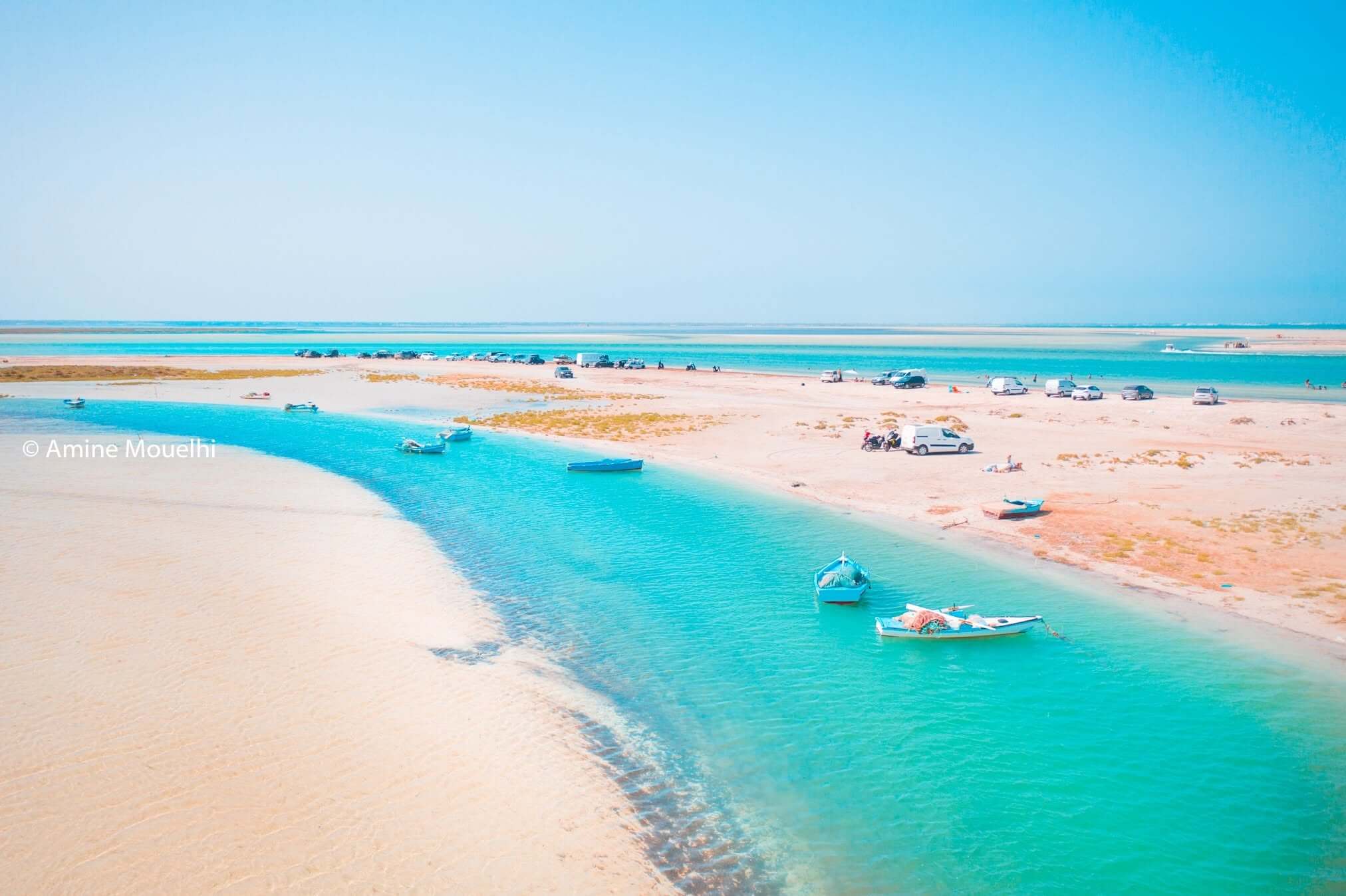
Hassi Jerbi Beach – Zarzis, South Tunisia
Hassi Jerbi Beach, often described as the “hidden Maldives of Zarzis, is one of the most breathtaking coastal spots in southern Tunisia. Located a short drive north of Zarzis, this shoreline stands out for its untouched natural beauty, where soft white sand meets shallow turquoise waters that stretch as far as the eye can see.
The beach offers a very calm and shallow sea, making it especially comfortable for swimming and safe for families with children. Its lagoon-like appearance, with crystal-clear water blending into shades of blue and green, creates a tropical atmosphere that feels far removed from the busier tourist beaches of Tunisia.
Unlike more developed coastal areas, Hassi Jerbi remains largely natural, with minimal infrastructure. This gives the site a peaceful and authentic character, perfect for visitors looking to disconnect, relax, or simply enjoy the sound of the waves in a quiet environment.
It is also a highly photogenic destination, thanks to the contrast between white sand, calm waters, and traditional fishing boats scattered along the shore. Early morning and sunset visits are especially rewarding, when the light enhances the colors of the sea and sky.
Access is relatively easy by car or taxi from Zarzis, making it a popular half-day or full-day escape. Visitors are advised to bring basic essentials such as water, shade, and snacks, as services remain limited on-site.
👉 Best for: peaceful relaxation, swimming, photography, family-friendly shallow waters, and nature escapes.
Best Beaches in Tunisia – Comparaison Table
| Beach | Family Friendly |
Water Clarity | Quiet Level | Facilities | Access |
|---|---|---|---|---|---|
| Ain Mestir (Bizerte) | ★★★★ | ★★★★ | ★★★★★ | ★★ | Car |
| Cap Zebib (Bizerte) | ★★★ | ★★★★★ | ★★★★★ | ★ | Car + short Track |
| Hammam El Ghez (Cap Bon) |
★★★★★ | ★★★★ | ★★★★ | ★★★ | Car / Taxi |
| Sidi Ali El Mekki (Ghar El Melh) |
★★★★★ | ★★★★ | ★★★ | ★★★★ | Car |
| Melloula / Maloula (Tabarka) |
★★★ | ★★★★★ | ★★★★★ | ★★ | Car + forest road |
| El Mteris Caves (El Haouaria) |
★★ | ★★★★★ | ★★★★★ | ★ | Boat only |
| La Mansourah (Kélibia) |
★★★★★ | ★★★★★ | ★★ | ★★★★ | Car / Taxi |
| Sidi Mahrez (Djerba) |
★★★★ | ★★★★ | ★★ | ★★★★★ | Car / Resort zone |
| Hassi Jerbi (Zarzis) | ★★★★★ | ★★★★★ | ★★★★ | ★★ | Car / Taxi |
| Bou Jaafar (Sousse) | ★★★ | ★★★ | ★ | ★★★★★ | City access |
This quick comparison helps you choose the best beach in Tunisia depending on your travel style, from family-friendly shores to wild hidden coves.
Now that you know where to go and what to expect, here are some essential tips to help you plan your beach trip in Tunisia more effectively and enjoy it to the fullest.
Planning Your Beach Trip in Tunisia
Planning ahead can make your experience along the Tunisian coastline much smoother and more enjoyable. From seasonal timing to practical travel tips, a few simple preparations will help you get the most out of your beach journey.
Best Time to Visit Tunisia's Beaches
The ideal beach season in Tunisia runs from May to October, offering long sunny days and warm Mediterranean waters.
May – June: Perfect for calm beaches, mild temperatures, and fewer crowds
July – August: Peak summer season with the warmest sea but also the busiest beaches
September – early October: One of the best periods, combining warm water with a more relaxed atmosphere
For a balanced experience between weather and crowd levels, June and September are often the most recommended months.
What to Pack for a Tunisian Beach Trip
Packing smart can significantly improve your comfort, especially if you plan to explore both popular and remote beaches.
Essentials include:
High-SPF sunscreen and sunglasses
A hat or cap for strong sun exposure
Swimsuit + light beachwear
Water shoes for rocky beaches and snorkeling areas
Snorkeling gear for clear-water spots like Cap Zebib or Hammam El Ghzez
Reusable water bottle (hydration is essential in summer heat)
Cash in Tunisian dinars for local cafés, parking, or rentals.
Safety Tips for Swimming
Most Tunisian beaches are safe during summer, especially those with shallow waters and gentle waves.
To ensure a safe experience:
Always check local sea conditions before swimming
Avoid rocky or unfamiliar deep areas if you’re not experienced
Respect warning flags or local advice when available
Supervise children closely, even in shallow water
Be cautious during windy days, especially on exposed coastlines.
How to Reach Hidden Beaches
Some of Tunisia’s most beautiful beaches are also the most remote, which makes the journey part of the adventure.
Beaches like Cap Zebib, Melloula, or El Mteris Caves (El Haouaria) may require:
Driving on secondary coastal roads
Short walks through natural paths or forests
Occasional boat access for caves and hidden spots
Tips for easier travel:
Rent a car for maximum flexibility
Use offline maps (network can be limited in remote areas)
Start early in the day, especially in summer
Bring water and basic supplies.
Beach Etiquette & Environmental Tips
Tunisia’s coastline is beautiful but fragile, and preserving it is essential for future visitors.
Simple rules to follow:
Do not leave any trash behind
Avoid damaging dunes or vegetation
Respect marine life when snorkeling or swimming
Support local businesses when possible
Keep natural sites as clean as you found them
Responsible travel ensures these beaches remain pristine and enjoyable for everyone.
Tunisia’s Coastline: A World of Beauty and Diversity
Tunisia offers one of the most diverse coastlines in the Mediterranean, from lively beaches like Sousse and Djerba to untouched natural spots such as Cap Zebib, Hassi Jerbi, and Melloula. Each destination brings a different atmosphere, combining clear turquoise waters, golden sand, and unique landscapes.
Whether you are looking for family-friendly beaches, hidden natural escapes, or vibrant seaside areas, Tunisia has something for every type of traveler and every travel style.
Now it’s your turn to explore. Plan your trip, go beyond the usual tourist spots, and experience the true beauty and variety of Tunisia’s coastline.
Frequently Asked Questions (FAQ)
What are the best beaches to visit in Tunisia?
Tunisia offers a wide variety of beaches depending on your travel style. For turquoise shallow waters, La Mansourah in Kélibia is one of the most iconic spots. If you prefer wild and natural landscapes, Cap Zebib, Melloula, and Hassi Jerbi are excellent choices. For a more lively atmosphere, Sousse and Djerba are ideal.
Are Tunisia beaches good for swimming?
Yes, many beaches in Tunisia are perfect for swimming, especially in areas like Hammam El Ghzez, La Mansourah, and Hassi Jerbi, where the water is calm, clear, and shallow, making them suitable even for beginners and families.
Which region has the best beaches in Tunisia?
The Cap Bon region is often considered the most diverse coastal area. It combines famous swimming beaches like Kélibia with more untouched natural spots such as Cap Zebib and Hammam El Ghzez, all within a short driving distance.
What is the best beach in Tunisia for a relaxing holiday?
For a peaceful escape away from crowds, beaches such as Hassi Jerbi, Cap Zebib, and Melloula are ideal. They offer quiet surroundings, natural landscapes, and a more authentic seaside experience.
Do I need a car to visit beaches in Tunisia?
Having a car is highly recommended, especially if you want to explore hidden gems like Cap Zebib, El Haouaria caves, or Melloula. Many of these beaches are located in natural areas with limited public transport access.
What makes Tunisia beaches special compared to other destinations?
Tunisia stands out for its variety of coastal landscapes in one country. You can find crystal-clear lagoons in Kélibia, wild cliffs in Tabarka, tropical-style beaches in the south, and urban beaches like Sousse—all within one trip.
When is the best time to visit Tunisia beaches?
The best period is between May and October. June and September are especially recommended because the weather is warm, the sea is perfect for swimming, and the beaches are less crowded compared to peak summer.