125 (1)

Discover Tunisia Differently: Beyond the Classic Tourist Trails

When people think of Tunisia, the first things that come to mind are golden beaches, sunny weather, and the refreshing Mediterranean atmosphere. Yet Tunisia hides many other treasures that most visitors never get to know.

This guide by Open Tunisia takes you to the heart of another Tunisia — one of troglodyte villages, hidden oases, Berber mountains, and genuine human encounters.

The Tunisian South: A Wonder to Explore

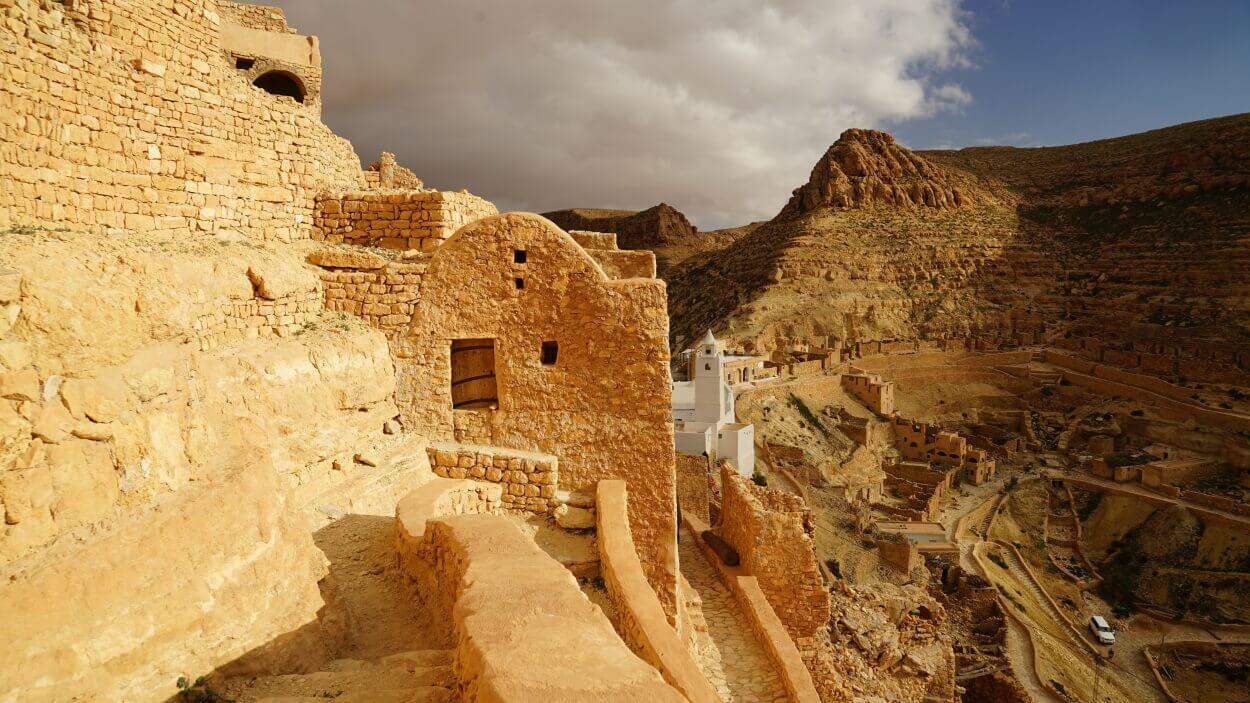
The Berber villages of Chenini and Douiret

It’s true that many people around the world have a limited image of Tunisia when it comes to tourism, but no one can deny the country’s incredibly rich history, stretching back more than 3,000 years. Over this long period, various civilizations succeeded one another, leaving their marks visible to this day. This is the case of the Berber villages of Chenini and Douiret.

These villages tell the ancient story of their people through a lifestyle expressed in their rock-carved homes, steep pathways, and desert landscapes — offering an experience that feels suspended in time.

The Berber village of Chenini in Tunisia, with stone houses clinging to the mountainside beneath a cloudy sky.
The Berber village of Chenini perched atop the mountains of southern Tunisia.
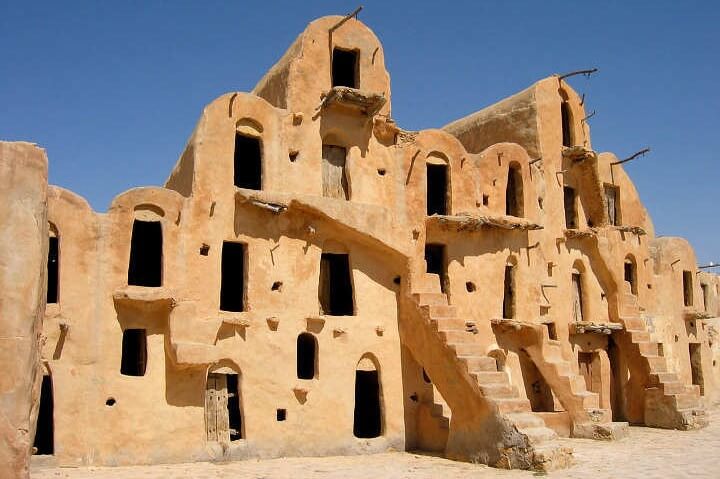
Traditional architecture of the Douiret ksar, with stacked granaries and earthen walls.
The Berber village of Douiret and its traditional architecture.

Ksar Ghilane, the oasis at the edge of the world

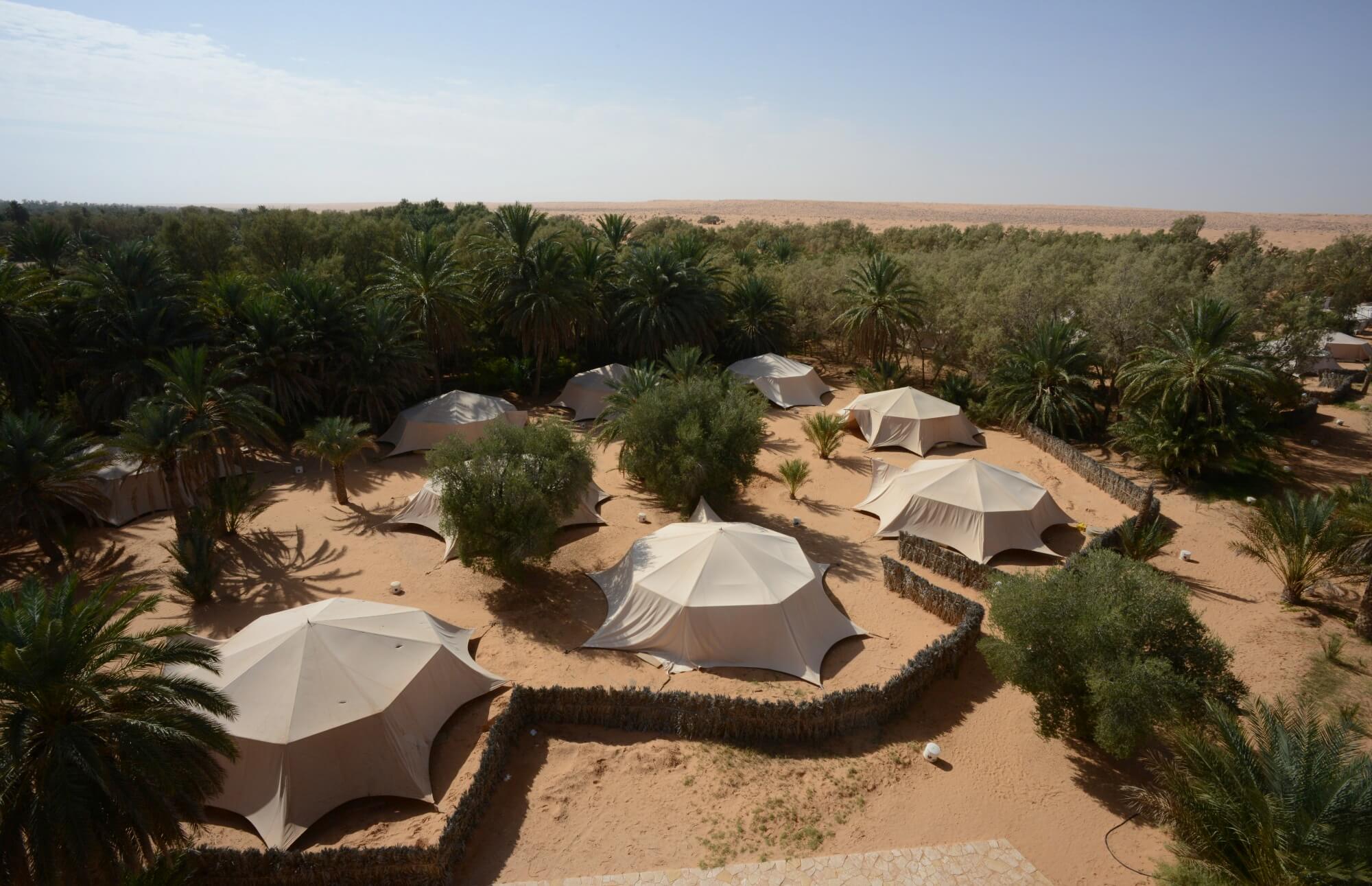
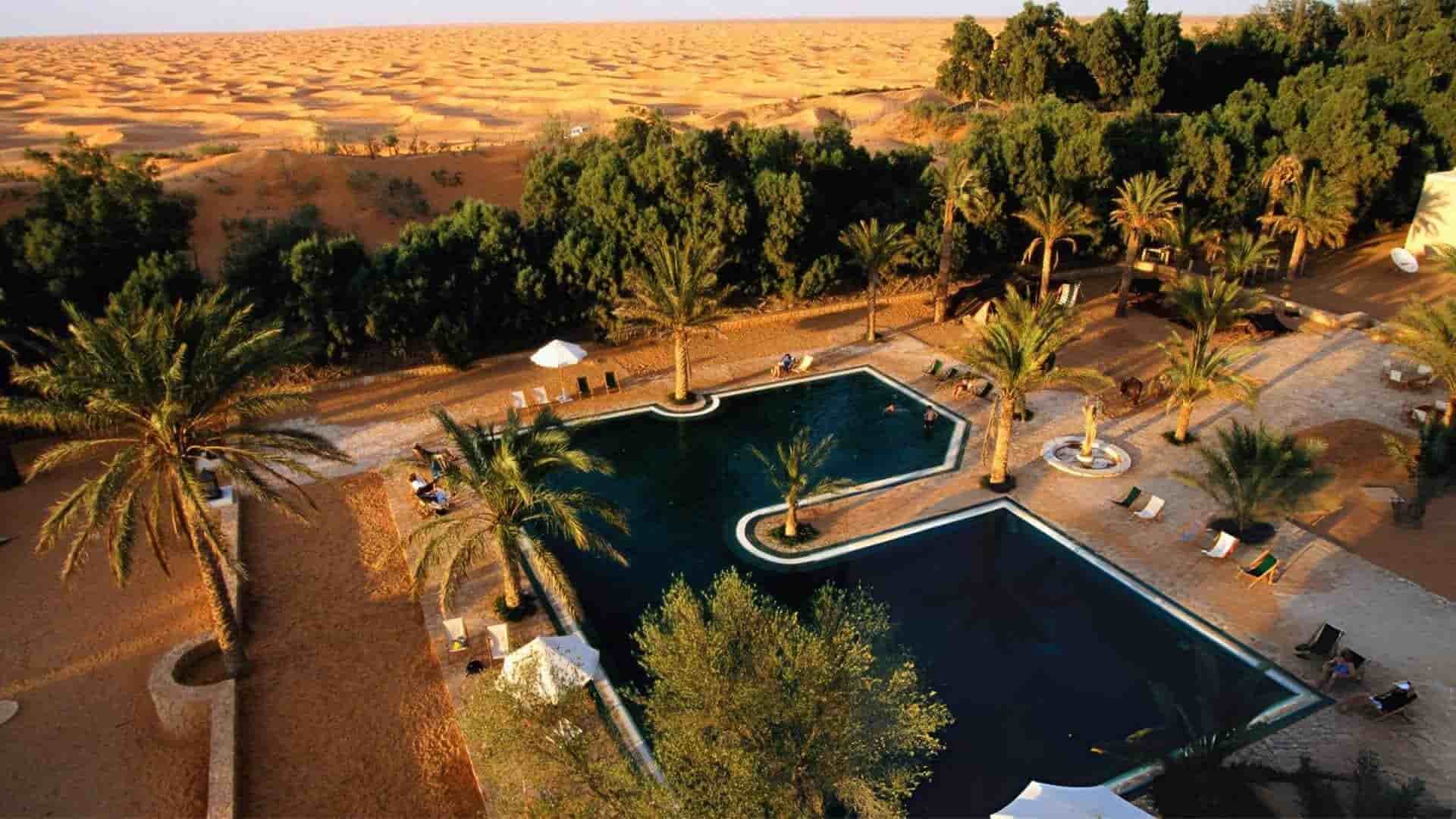
Southern Tunisia is home to many hidden gems, including the mythical oasis of Ksar Ghilane, nestled deep within the golden dunes of the Grand Erg Oriental, far from any urban bustle. A place of authenticity and tranquility, Ksar Ghilane invites visitors on a true journey beyond time.

Spending the night in a Berber camp is an unforgettable experience — an immersion into the spirit of ancient nomads, where the serenity of the desert blends with the magic of tradition. At sunset, the spectacle is breathtaking: the desert glows in warm orange hues as silence settles in.

Between adventure, relaxation, and cultural immersion, Ksar Ghilane is a rare place where time seems to stand still — a true invitation to disconnect and explore the authentic Sahara.

Saharan camp at Ksar Ghilane in Tunisia, traditional tents set up in the heart of the desert.
The Saharan camp of Ksar Ghilane, an oasis in the heart of the Tunisian desert.

The Central Oases: Nature and Authenticity

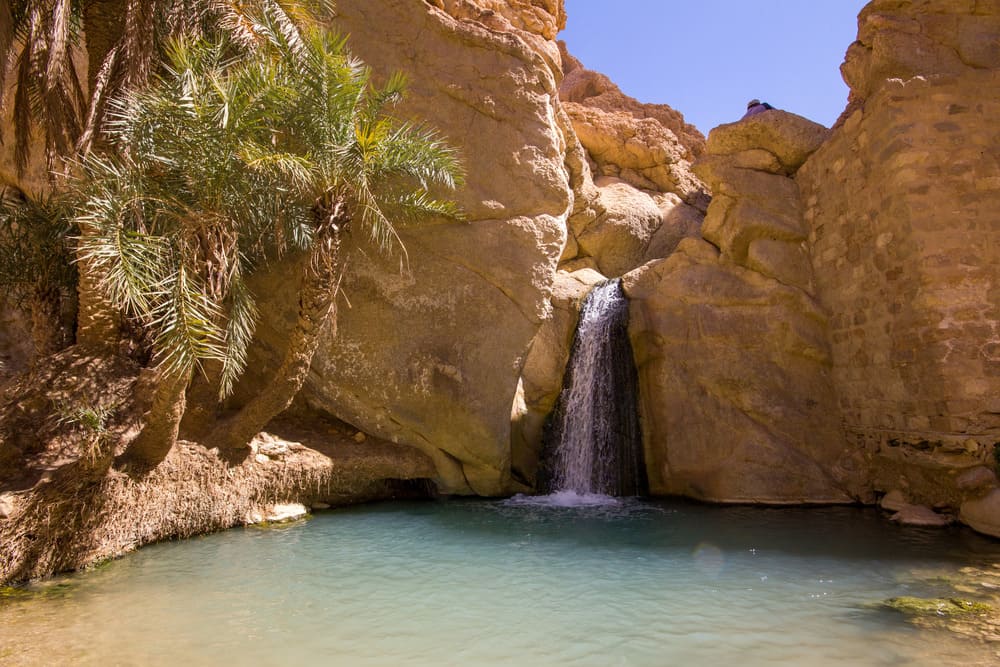
Chebika, Tamerza, and Midès — the wonders of the Southwest — are three oases known for their stunning beauty. They form a perfect harmony between the golden Sahara, lush palm groves, and ancient ruins, offering the ideal opportunity to escape and live an unforgettable adventure.

Chebika, a unique natural setting among mountains, palm trees, and a spring.
Chebika, a unique natural setting of mountains, palm trees, and water springs.

Tozeur: The Gateway to the South

A land of deep Saharan heritage, Tozeur stands out with its unique architecture, its ochre brick patterns, and its charming old quarters. For centuries, this city was a key stop along caravan routes. Walking through its streets, you can feel the echo of the desert and the spice trade of ancient times. Between museums, traditions, and warm hospitality, Tozeur offers a true immersion into desert culture — far beyond its landscapes.

The Forgotten North: Village of Art and History

Testour, the Andalusian Legacy

This charming town captivates every visitor. Located in northwestern Tunisia, it is just 1 hour and 10 minutes from Tunis. From the very beginning of the journey, the beauty of the surrounding nature sets the tone for the unique experience ahead.

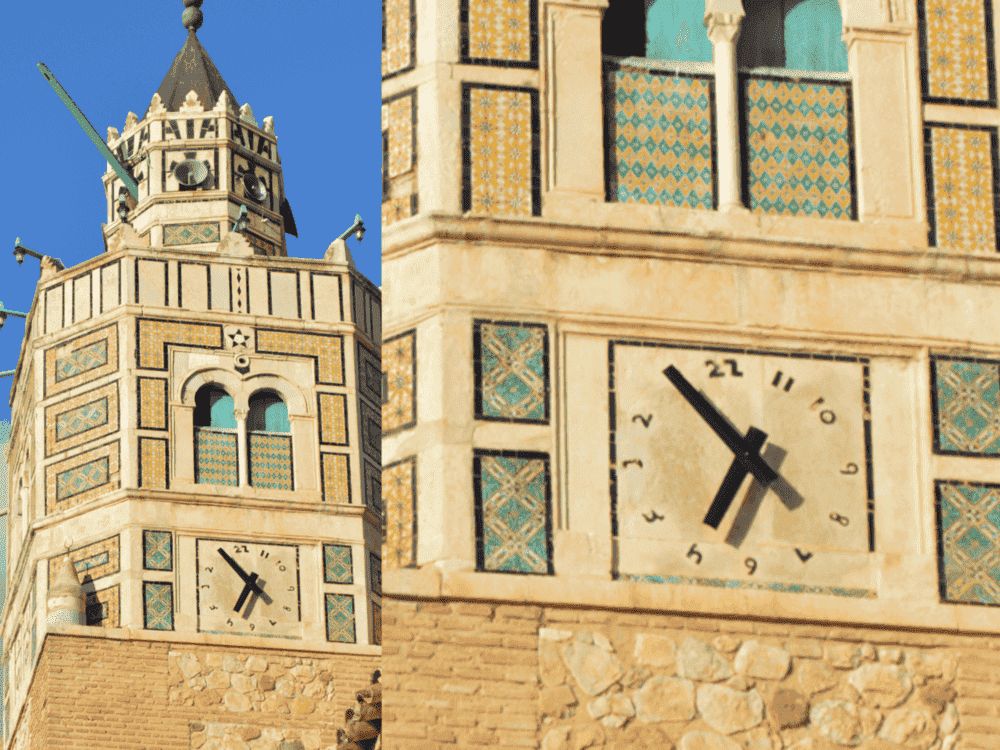
Upon arriving in Testour, you are greeted by a monument unlike any other in the world: the famous reverse clock, perched on the minaret of the Great Mosque. Built around 1630, during the golden age that followed the arrival of expelled Andalusian Moriscos, this nearly 395-year-old masterpiece is remarkable for its hands, which turn counterclockwise.

This rare and fascinating detail symbolizes the deep connection between Andalusian heritage and local history — reflecting both the nostalgia of exiled Moriscos and traditional conceptions of time and writing. More than a simple mechanism, this clock stands as a living symbol of Testour’s identity and cultural heritage.

Reversed clock of Testour in Tunisia, located on the minaret of the Great Mosque, an Andalusian historical monument.
The reverse clock of Testour, a historical symbol of Andalusian heritage.

Sejnane, the UNESCO-listed potters' village

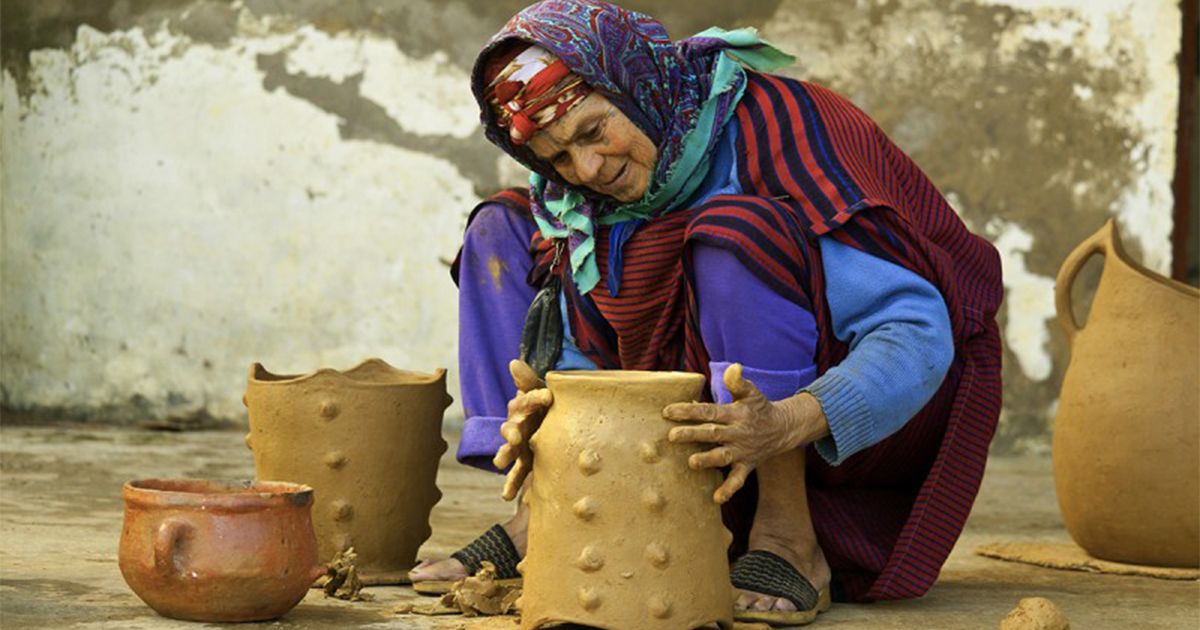
Still in northern Tunisia, this time in the governorate of Bizerte, lies Sejnane — a village renowned for its traditional craftsmanship that has gained international recognition. Its famous pottery is officially listed by UNESCO, highlighting its cultural importance and the richness of its ancestral know-how.

To this day, the inhabitants continue to practice age-old techniques, passed down through generations, using local materials and artisanal methods that have contributed to the village’s reputation across Tunisia and beyond.

Surrounded by green hills, olive groves, and forests, Sejnane offers picturesque landscapes ideal for hiking and reconnecting with nature. Its pure air and peaceful atmosphere make it a perfect destination for those seeking a break from the noise of the cities.

Sejnane woman potter making traditional pottery, classified by UNESCO, a symbol of Tunisian cultural heritage.
The traditional pottery of Sejnane, a craft passed down by the women of the village.

Dougga, Tunisia's Hidden Roman Soul

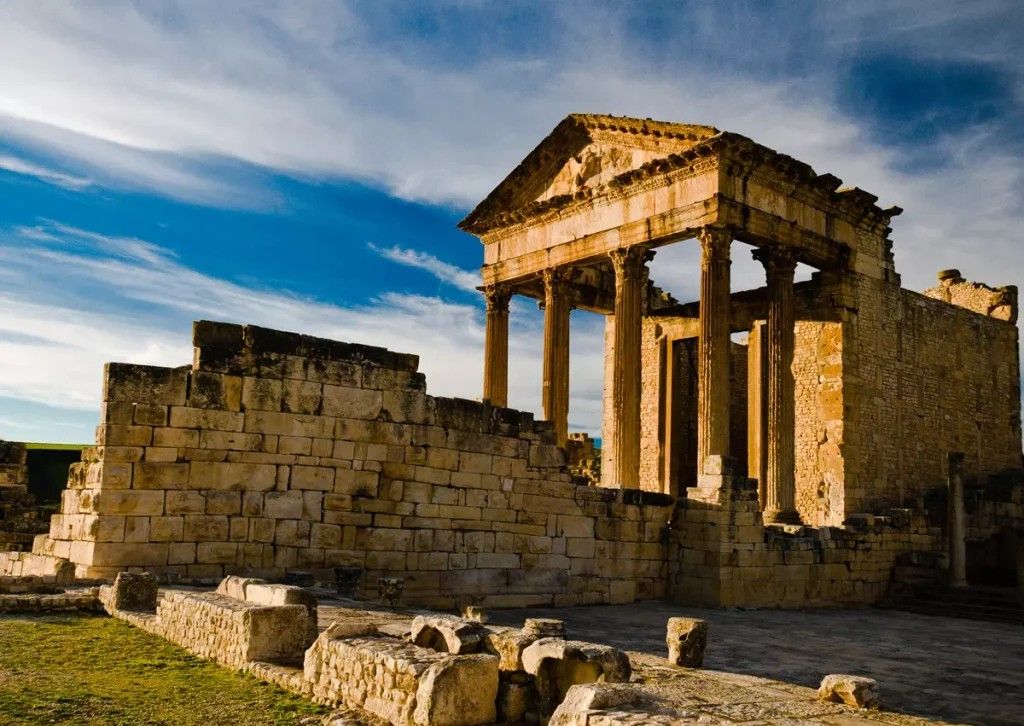
Listed as a UNESCO World Heritage Site, Dougga is one of the best-preserved archaeological sites in North Africa. Wandering through its ancient ruins — theatres, temples, bathhouses, and villas — feels like traveling through time and touching the grandeur of Roman civilization.

Every stone tells a story, and every column recalls a past enriched with culture and ancient traditions. History lovers and archaeology enthusiasts will find in Dougga a place where past and present come together in a unique and immersive experience.

Archaeological site of Dougga in Tunisia, well-preserved Roman ruins listed as a UNESCO World Heritage site.
Dougga, the ancient Roman city in the heart of Tunisia.

Experience the True Spirit of Tunisia

Tunisia is far more than its beaches or famous cities. From majestic deserts and lush oases to millennia-old villages and genuine human encounters, it holds treasures that few travelers ever discover.Every turn reveals a story, every landscape inspires wonder, and every encounter leaves a lasting memory.

With Open Tunisia, enjoy a unique and tailor-made experience: explore authentic villages, cross the desert by 4×4, sleep in Berber camps, and share unforgettable moments with locals.

Book your tour now and dive into the hidden treasures of Tunisia.

velo-tunisia

Discover Tunisia’s Beauty… On Two Wheels!

Discover Tunisia’s Beauty… On Two Wheels!

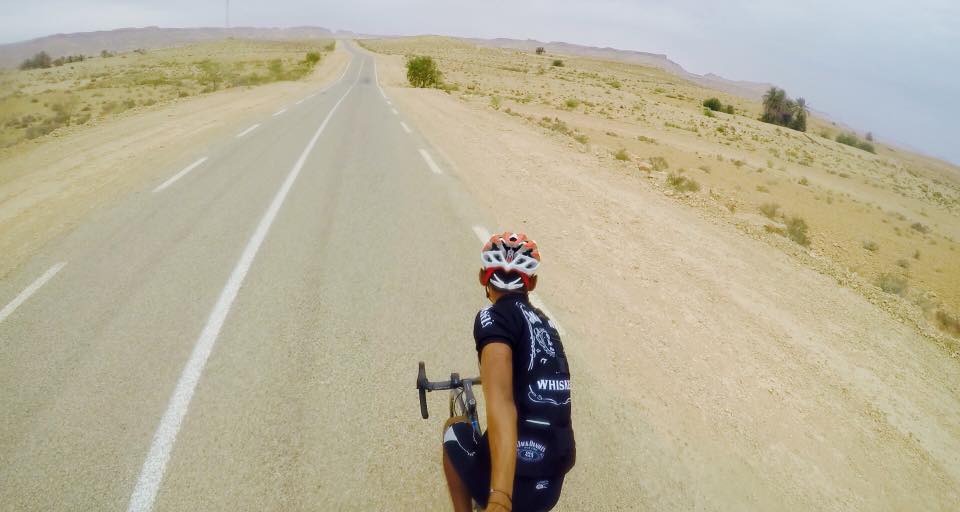
Exploring Tunisia by bike offers a unique and immersive way to experience the country’s rich landscapes, culture, and history. Whether you’re cycling through coastal towns, rolling hills, or the vast stretches of the desert, Tunisia presents an ideal setting for an adventurous and eco-friendly journey on two wheels.

1. The Coastal Beauty

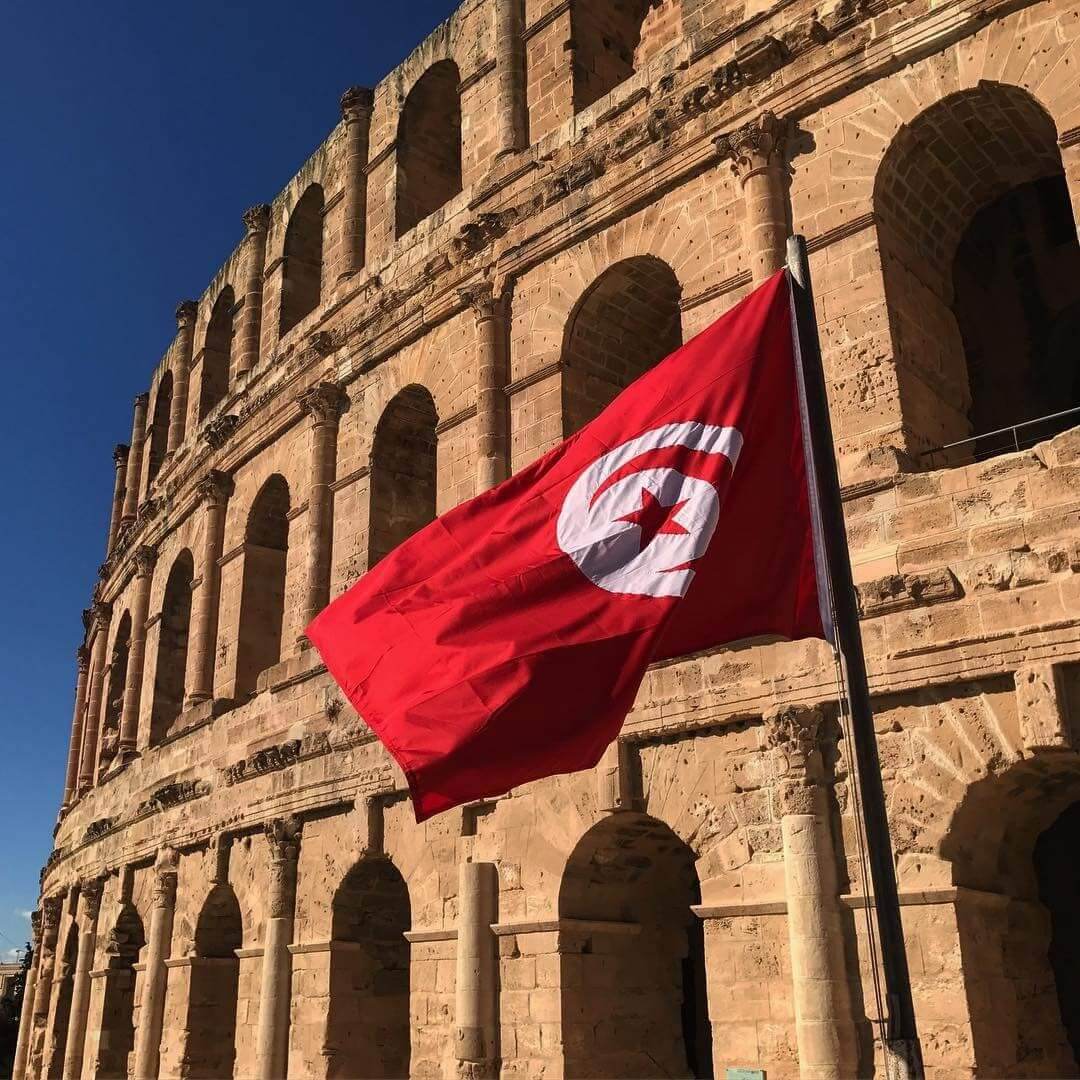
Cycling along Tunisia’s stunning Mediterranean coastline is a breathtaking experience. Routes that pass through cities like Hammamet, Sousse, and Monastir allow riders to enjoy scenic views of the sea, sandy beaches, and the relaxed coastal lifestyle. The mild climate, especially in spring and fall, makes it a perfect time for cycling trips. Along the way, cyclists can stop at historical sites such as El Jem, with its well-preserved Roman amphitheater, or enjoy fresh seafood in local seaside restaurants.

2. The Green North

The northern part of Tunisia, with its lush greenery and rolling hills, is ideal for those looking for nature and tranquility. Regions such as Tabarka and Aïn Draham are perfect for scenic bike routes through forests and mountains. These areas offer a stark contrast to Tunisia’s southern desert regions, with cooler temperatures and an abundance of flora and fauna. The countryside roads are perfect for cycling, and you can explore quaint villages and enjoy the hospitality of local communities.

3. The Adventure of the Sahara

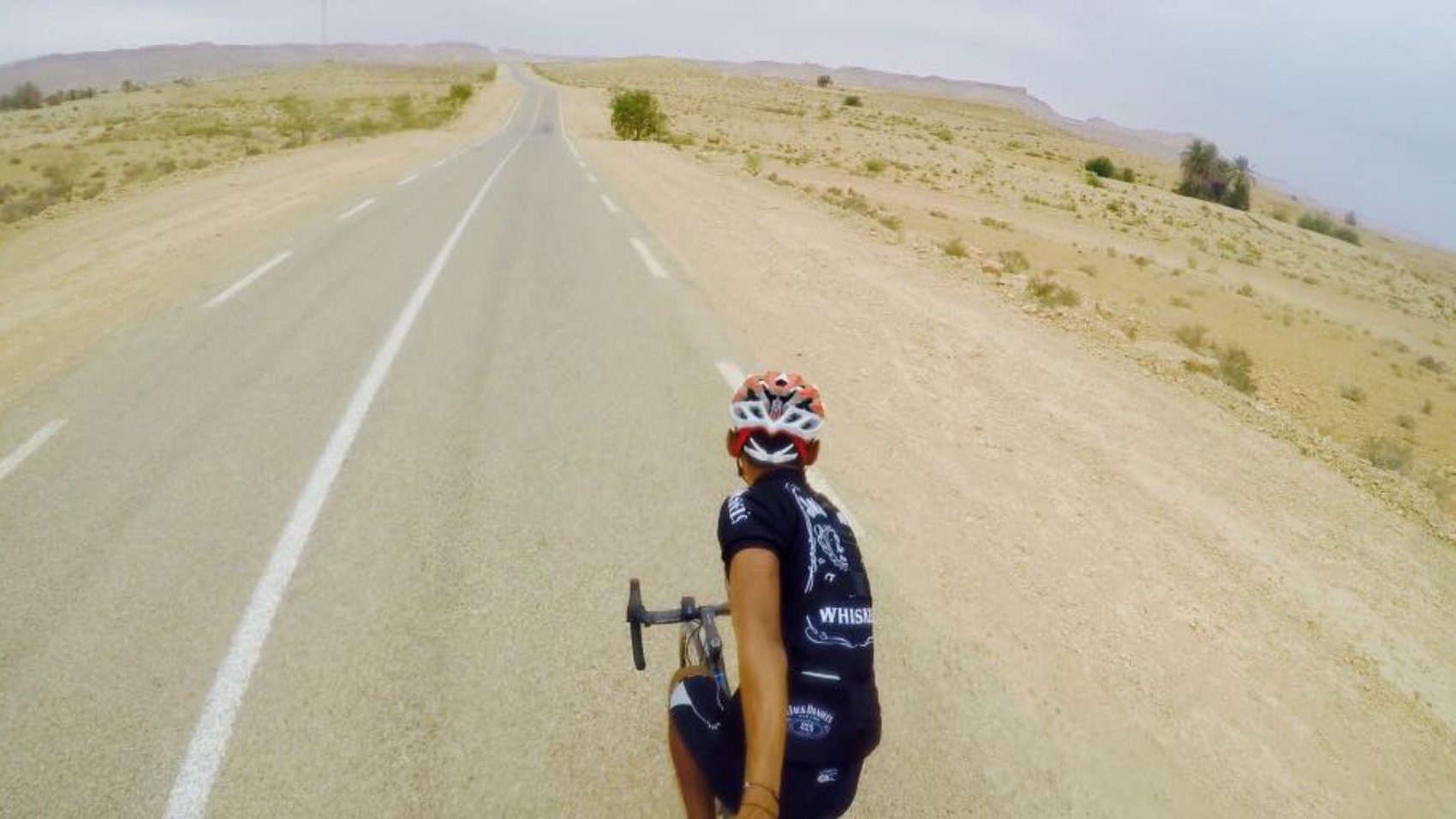
For those looking for a more challenging ride, the vast expanses of the Tunisian Sahara offer an unforgettable cycling adventure. Starting from towns like Douz, often called the “Gateway to the Sahara,” cyclists can experience the vastness of the desert, passing through oases and experiencing the solitude and beauty of the Sahara. While the heat can be intense, early morning or late afternoon rides reveal a desert landscape that is both stunning and serene.

4. Practical Tips for Cycling in Tunisia

  • Best Time to Cycle: The ideal times for cycling are spring (March to May) and autumn (September to November) when the weather is mild.
  • Safety: While many roads are bike-friendly, it’s essential to stay cautious on busy highways. Rural roads offer safer and more peaceful cycling experiences.
  • Equipment: You can bring your own bike or rent one from local operators. Make sure to carry enough water, especially when cycling in rural or desert areas.
  • Cultural Sensitivity: When cycling through rural or more conservative areas, dress modestly and respect local customs.

Conclusion

Exploring Tunisia by bike allows you to see the country from a different perspective. From coastal rides to desert adventures, cycling is a fantastic way to connect with the diverse landscapes and cultures of Tunisia. Whether you’re a casual rider or an experienced cyclist, Tunisia’s beauty and charm truly come alive on two wheels.

discover the Sahara Desert

The Sahara Desert in Tunisia: A Journey into the Heart of the Desert

discover the Sahara Desert

The Sahara Desert in Tunisia: A Journey into the Heart of the Desert

The Sahara Desert, stretching across the northern region of Africa, is one of the world’s most iconic natural wonders. In Tunisia, the Sahara occupies a significant portion of the southern part of the country, offering travelers a unique opportunity to experience the beauty, culture, and adventure of the desert. From vast sand dunes to historical oases, the Tunisian Sahara is a place of contrast and enchantment.

1. The Gateway to the Sahara: Douz

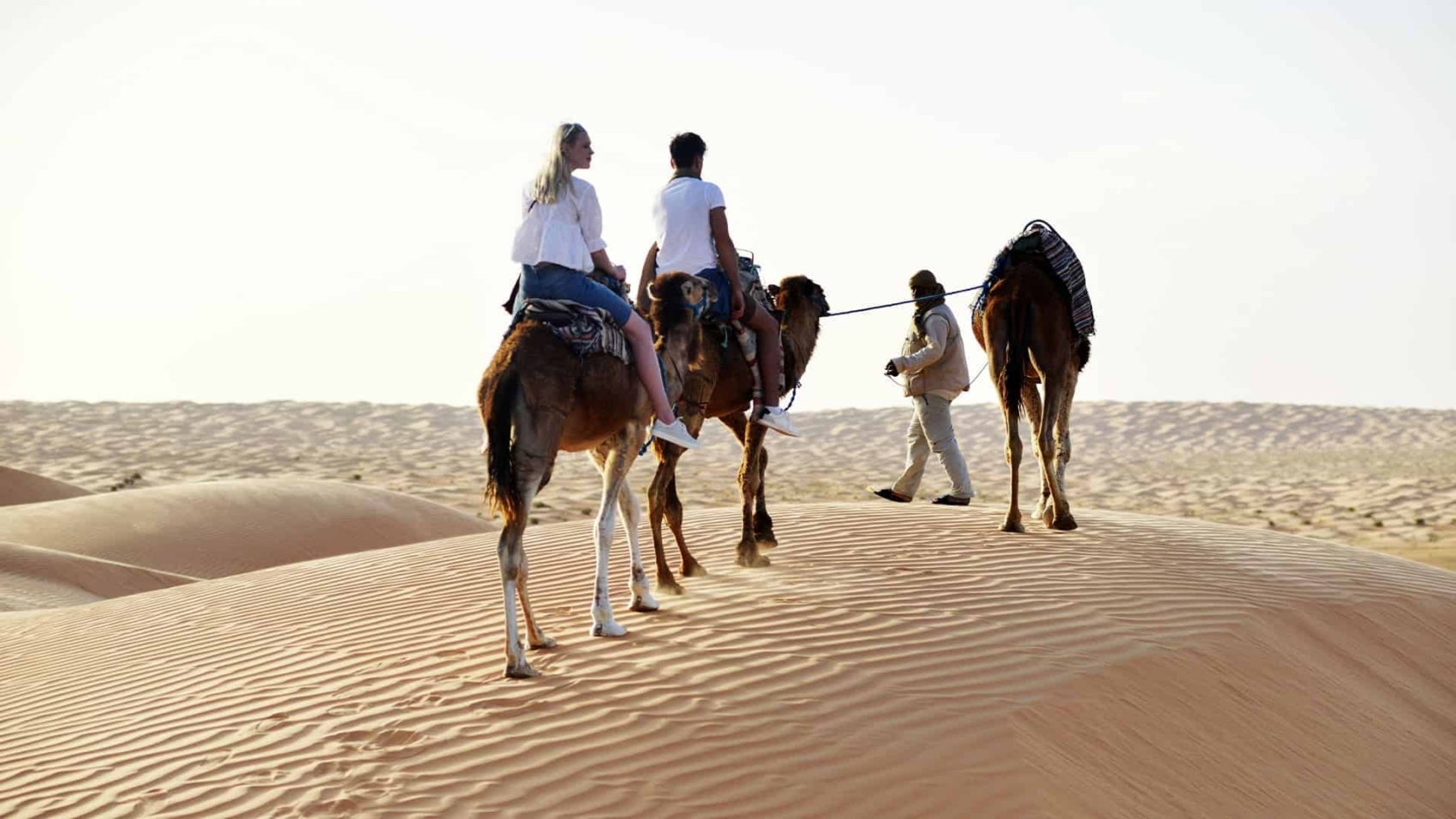
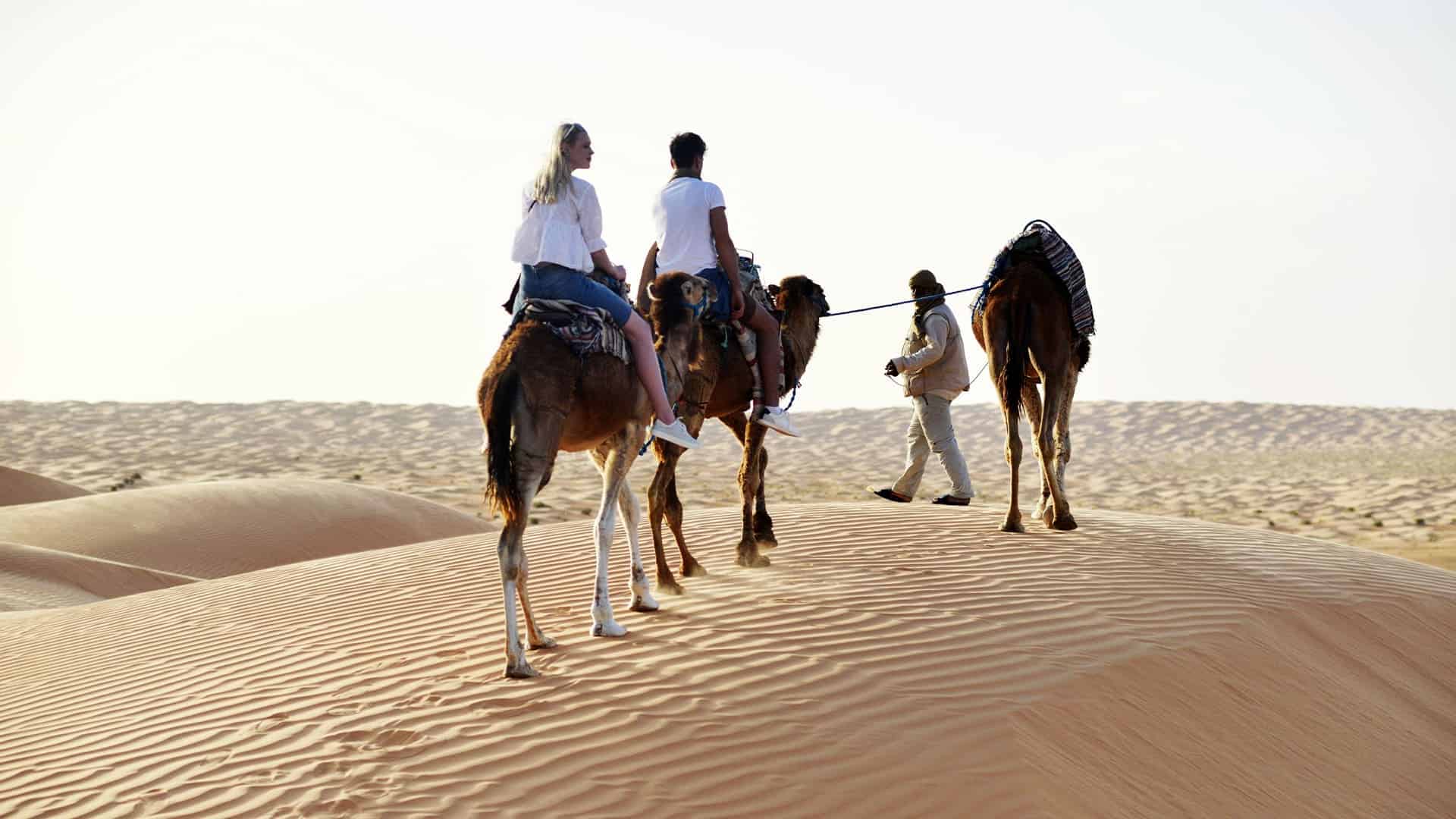
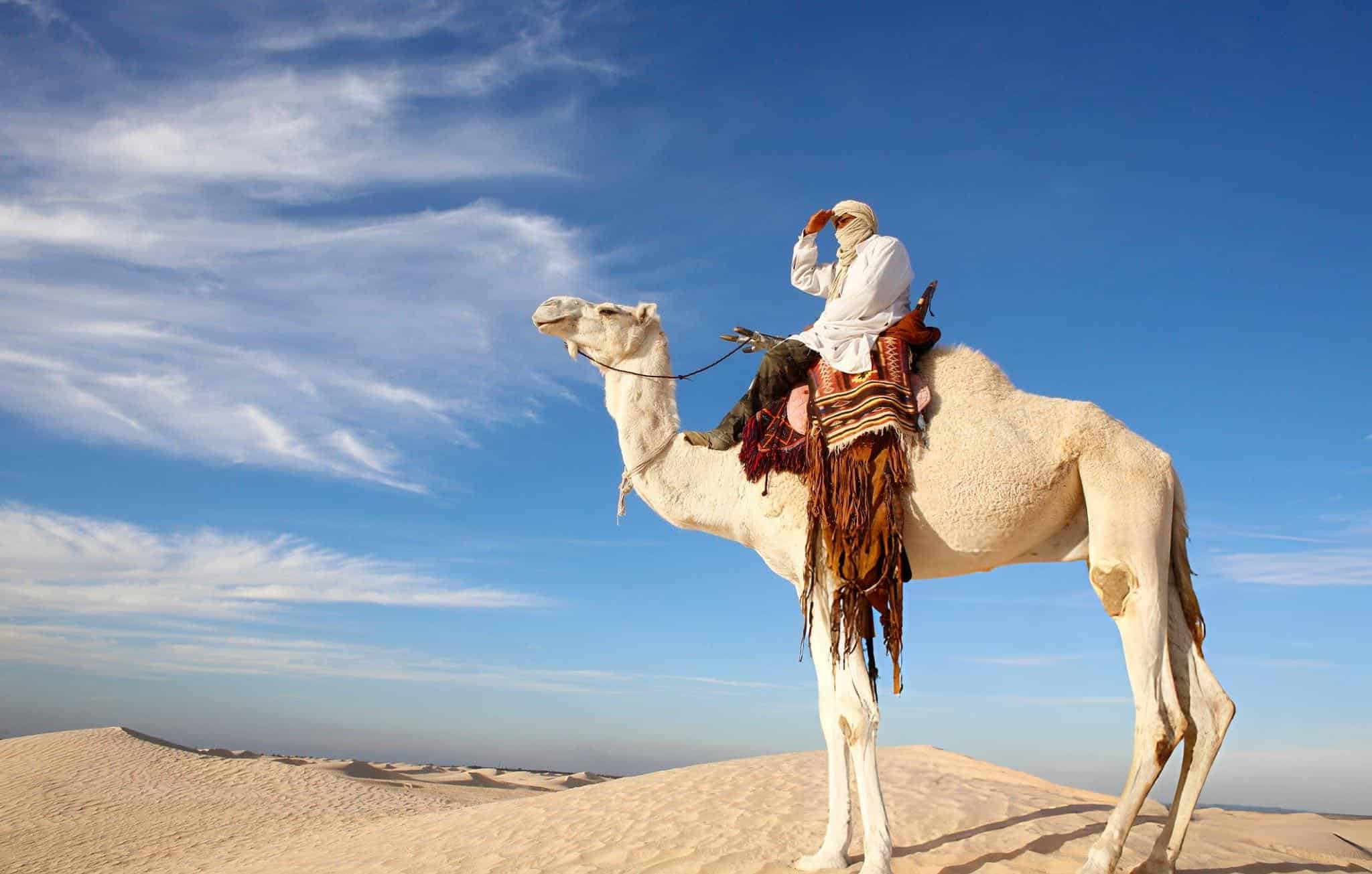
Often referred to as the “Gateway to the Sahara,” Douz is a small desert town that serves as a starting point for many desert excursions. The annual Festival of the Sahara attracts thousands of visitors, celebrating traditional desert culture with camel races, music, and folk performances. Visitors can take a camel ride through the dunes, hike across the sands, or even embark on a 4×4 adventure to explore deeper into the desert.

2. The Magic of the Sand Dunes

The vast, golden sand dunes of the Tunisian Sahara, such as those near Ksar Ghilane, provide a picturesque setting for adventure seekers. These dunes are perfect for activities like sandboarding, quad biking, and trekking. As the sun sets, the landscape transforms into a serene and majestic expanse, making it a perfect spot for desert camping under the stars.

3. Historical Oases and Berber Villages

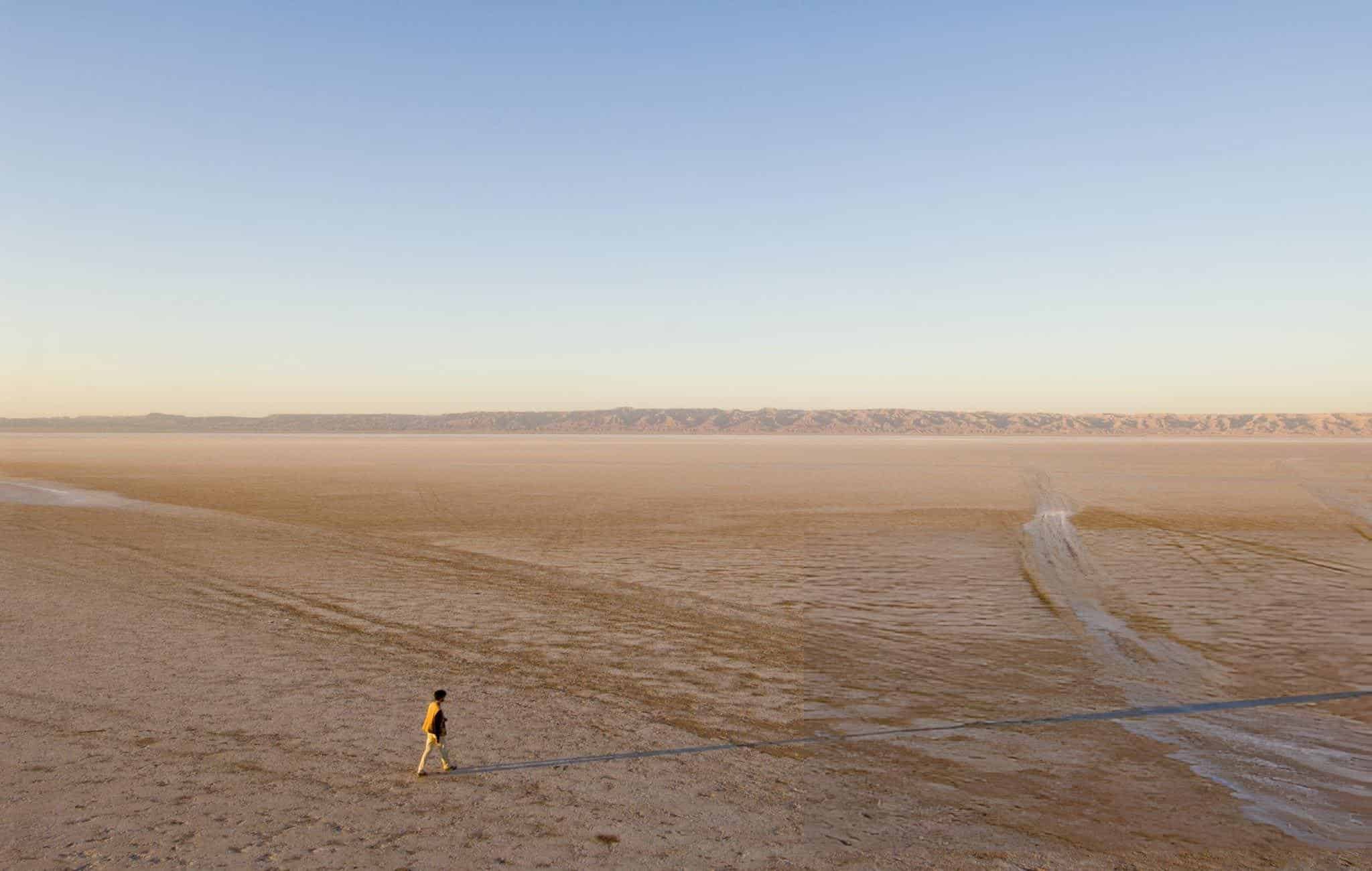
Throughout the desert, visitors can discover ancient oases and Berber villages that have stood the test of time. Tozeur and Nefta are two of the most famous oases in Tunisia, known for their lush date palm groves and historical architecture. The Chott El Jerid, the largest salt lake in the Sahara, offers a mesmerizing sight, especially during sunset when the lake’s surface shimmers in hues of pink and orange.

4. Desert Film Locations

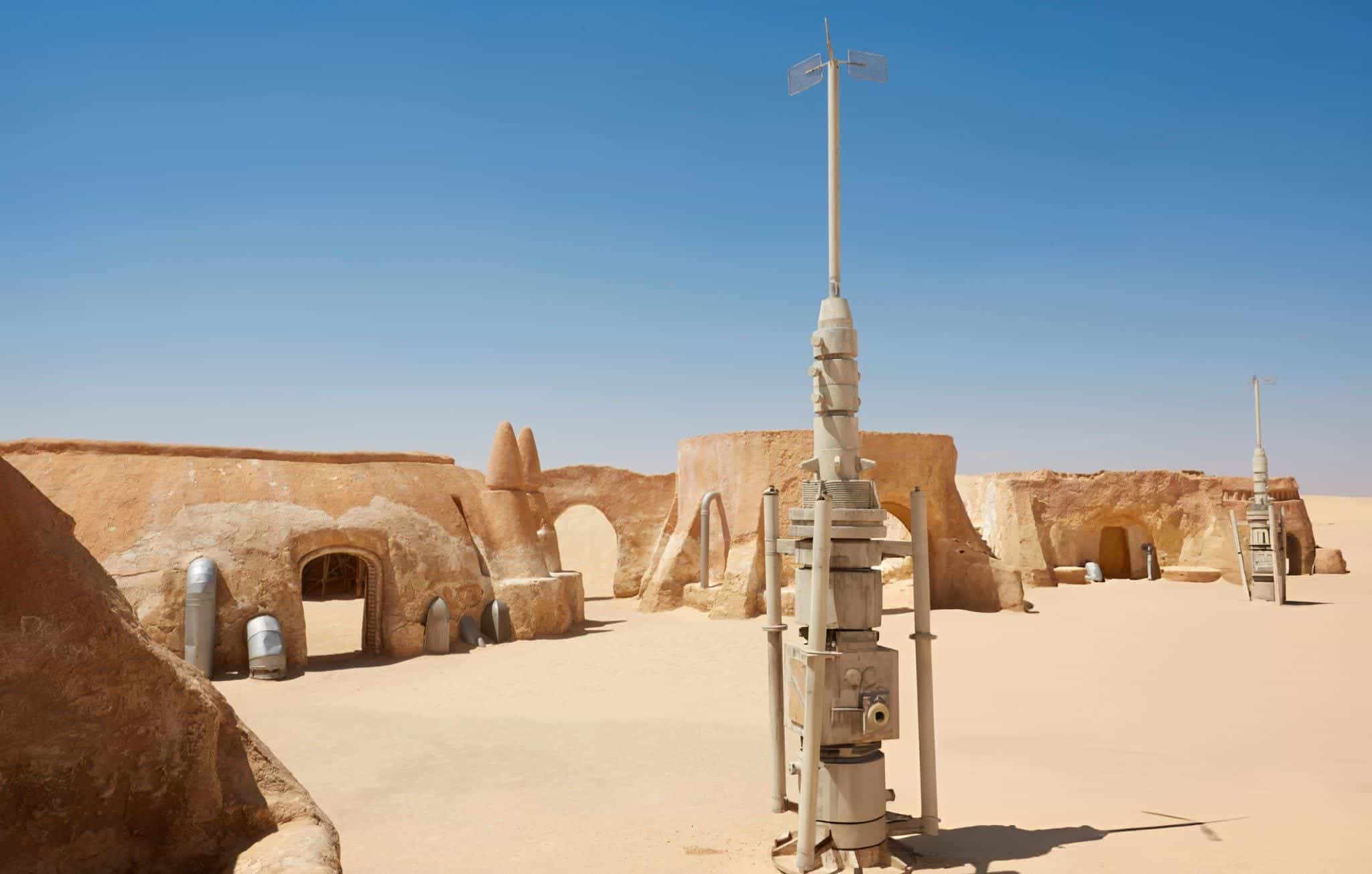
The Tunisian Sahara has also made a name for itself as a popular film location. Fans of the Star Wars series will be delighted to visit Ong Jmal, the filming location of the planet Tatooine, where the desert’s otherworldly landscape was used to bring the famous sci-fi scenes to life.

5. The Cultural Experience

Exploring the Sahara is not just about the scenery; it’s about experiencing the rich culture and history of the people who have called this region home for centuries. The nomadic Bedouin tribes still inhabit parts of the desert, and visitors can learn about their way of life, including traditional handicrafts, music, and cuisine. A night spent in a Bedouin tent is an unforgettable experience that immerses visitors in the authentic desert lifestyle.

Conclusion

The Sahara Desert in Tunisia is a place of wonder and discovery. Whether you’re looking for adventure, cultural immersion, or tranquility, the desert provides a unique experience that resonates with visitors long after they leave. With its stunning landscapes, rich history, and vibrant culture, the Tunisian Sahara is truly a destination worth exploring.

thalasso_&_spa

Tunisia: A Top Destination for Seawater Thalassotherapy Treatments

A Top Destination for Seawater Thalassotherapy Treatments

Tunisia: A Top Destination for Seawater Thalassotherapy Treatments

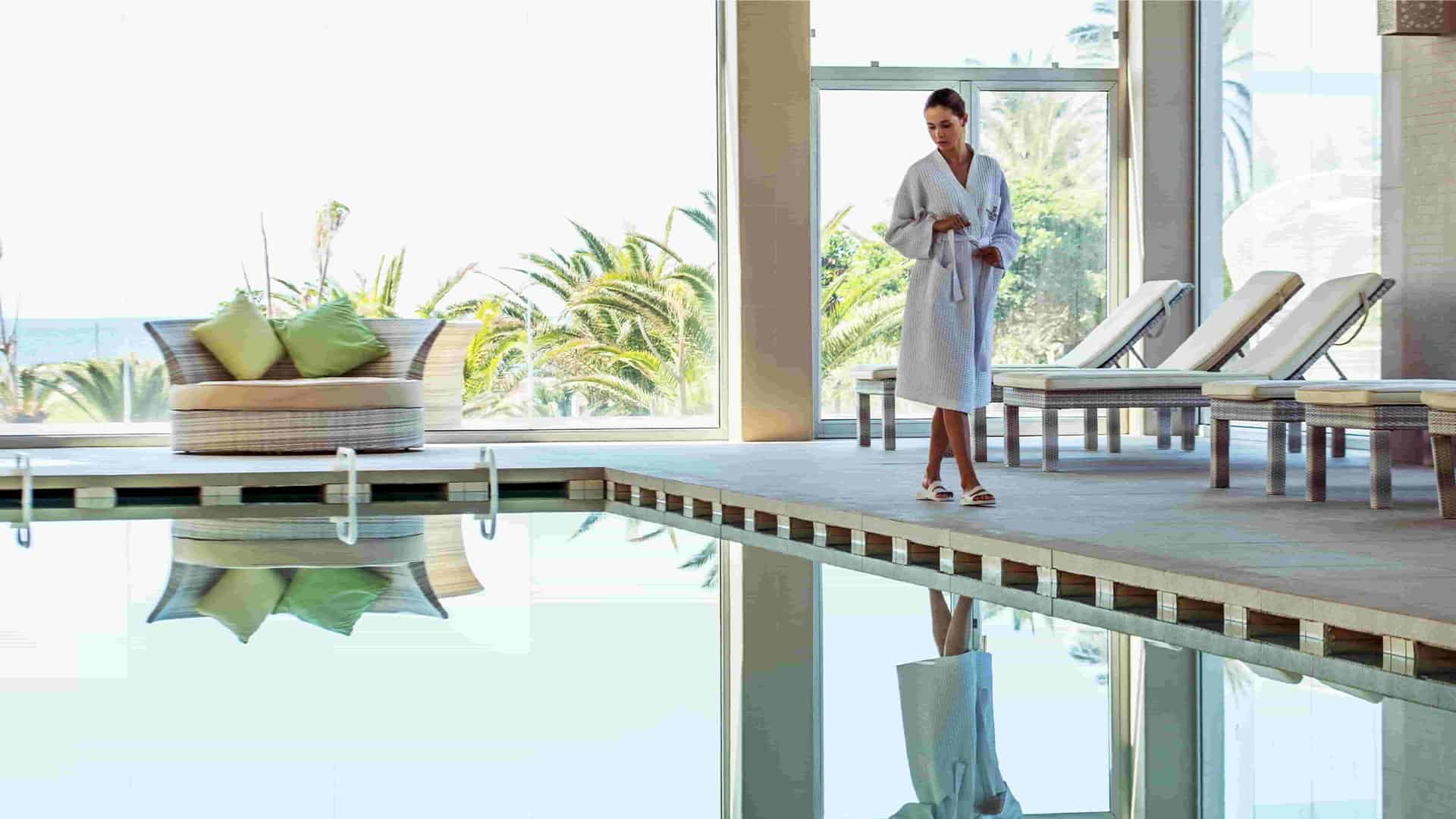
Tunisia has long been recognized as a premier destination for thalassotherapy, attracting visitors from around the world seeking the therapeutic benefits of seawater treatments. The country’s rich history, stunning coastline, and advanced thalassotherapy centers make it an unparalleled choice for those looking to rejuvenate both body and mind.

A Tradition of Healing

Thalassotherapy, derived from the Greek words “thalassa” (sea) and “therapeia” (therapy), uses the natural healing properties of seawater, marine mud, and algae. Tunisia has embraced this tradition, offering state-of-the-art facilities that combine modern medical practices with ancient healing techniques.

Top Thalassotherapy Centers

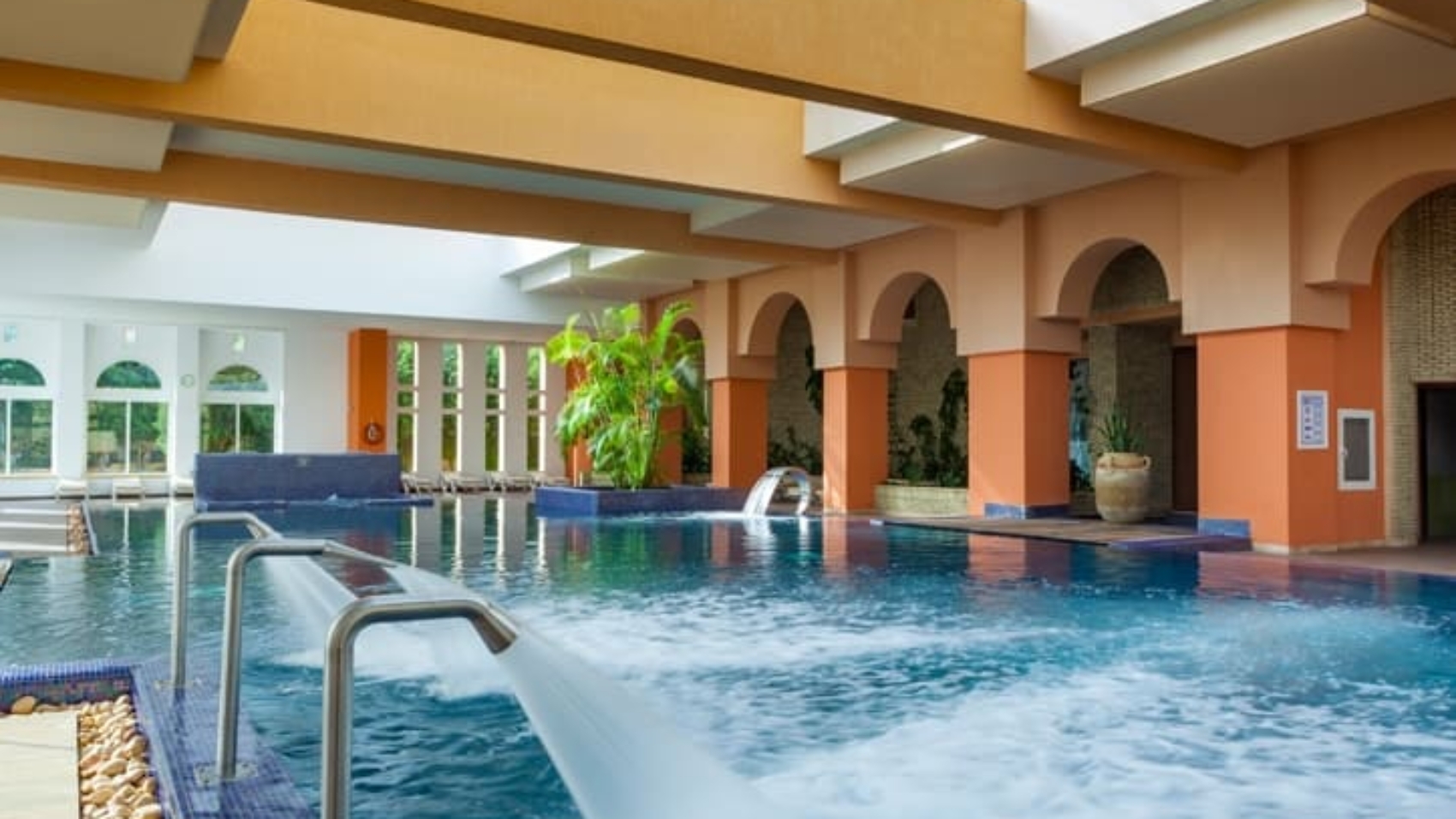
Tunisia boasts numerous top-rated thalassotherapy centers, particularly along the Mediterranean coast. Cities like Hammamet, Sousse, and Djerba are home to luxurious resorts and specialized wellness centers that provide a range of treatments, from hydrotherapy and seaweed wraps to massages and beauty treatments. These centers are staffed with highly trained professionals, ensuring guests receive the best care possible.

Benefits of Thalassotherapy

The benefits of thalassotherapy are well-documented, including improved circulation, detoxification, relief from chronic pain, and enhanced skin health. The mineral-rich seawater and marine products used in these treatments are known to have therapeutic properties that can help with conditions such as arthritis, eczema, and stress-related ailments.

A Destination Beyond Wellness

While thalassotherapy is a significant draw, Tunisia offers much more to visitors. The country’s rich cultural heritage, historical sites, vibrant markets, and delicious cuisine make it a comprehensive travel destination. Visitors can explore ancient Roman ruins, wander through bustling souks, or relax on pristine beaches, making their stay both enriching and relaxing.

Conclusion

Tunisia continues to be an unmissable destination for those seeking the benefits of thalassotherapy. Its combination of advanced wellness facilities, natural beauty, and cultural richness ensures that visitors not only heal their bodies but also enrich their souls. Whether you’re a seasoned thalasso enthusiast or new to the practice, Tunisia’s unique offerings make it a must-visit location for rejuvenation and relaxation.