

December in Tunisia has a different rhythm. The summer crowds have thinned and a gentle coolness settles over the country. In the desert south, towns like Douz and Tozeur come alive with cultural festivals celebrating Saharan heritage. Along the coast, many hotels begin offering Christmas-themed stays and special dinners for holiday visitors, while cities prepare for New Year’s Eve festivities. Together these experiences give the month a unique charm. So, why might December be an appealing time to visit Tunisia?
Why Visit Tunisia in December?
Discovering Tunisia Beyond the Summer Season
Visiting Tunisia in December reveals a quiet, authentic side of the country. Coastal resorts and historic medinas are at their “quietest and cheapest” – hotels are more affordable, beaches and promenades are uncrowded, allowing easier sightseeing. Daytime temperatures remain mild (around 16–18°C) even in the south, and the low humidity under clear winter skies makes desert landscapes glow. Southern towns like Douz and Tozeur offer warm, dry days with bright sunshine (about 19°C on average) and only a few light rain showers. In short, Tunisia in winter means sweater-weather sightseeing by day and cozy evenings, a great change from summer heat. Cultural festivals such as the Douz Sahara Festival and Tozeur Oasis Festival also highlight local traditions during December.
Winter Holidays, Cultural Experiences and Festive Getaways
Even though Tunisia is not a Christian-majority country, many large hotels create a Christmas atmosphere for holiday travelers. Visitors often find decorated lobbies and special holiday buffets or gala dinners on 24–25 December in major resorts. After Christmas, New Year’s Eve in Tunisia is widely celebrated: resorts in Djerba, Hammamet or Sousse typically host gala dinners with live music and a midnight toast, while restaurants and clubs in Tunis and coastal cities fill up with revelers. At the same time, December events in the south – like the Sahara Festival of Douz and the Oasis Festival of Tozeur – bring traditional camel parades, folkloric music and crafts fairs to the desert oasis towns. In a single winter trip, you can balance a festive hotel stay with immersive local culture.
Weather in Tunisia in December: What Should You Expect?
General Weather Conditions Across Tunisia in December
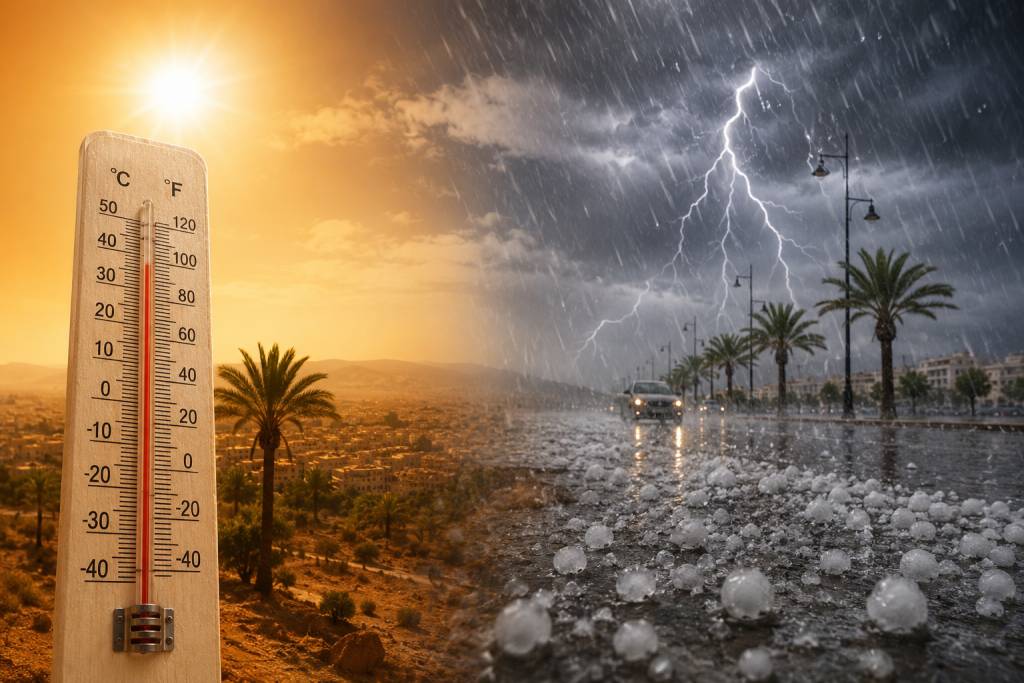
December marks the beginning of winter in Tunisia, bringing a noticeable change in weather conditions compared with the warmer months. Temperatures gradually decrease, rainfall becomes more frequent and days become shorter. However, winter does not mean continuous rain or cold weather. Sunny periods remain part of the season, allowing visitors to enjoy sightseeing, explore historic sites and discover the country’s landscapes.
Tunisia’s climate has also been evolving over the years. The scientific study “High Spatial Resolution Monthly Temperature and Precipitation Data Modelling for Tunisia from 1950 to 2023”, published in May 2026 by Mehdi Taheri, Lisa Mol and Alick Leslie in Theoretical and Applied Climatology, provides a detailed analysis of the country’s monthly climate patterns. Based on high-resolution climate data, the researchers identified a long-term warming trend, with an average annual temperature increase of 0.0265°C between 1950 and 2023. The study also highlights a general tendency towards decreasing annual precipitation, although this trend is not statistically significant everywhere. These findings offer valuable insight into Tunisia’s changing climate.
When it comes to Tunisia in December weather, travellers can generally expect mild daytime conditions, cooler mornings and evenings, and occasional rainfall. Exact conditions may vary throughout the month, so it is worth preparing for both sunny and rainy periods.
What to Pack for a December Trip to Tunisia?
Preparing for Tunisia in winter is mainly about choosing clothes that can adapt to changing temperatures throughout the day. Although afternoons can be relatively mild, cooler mornings and evenings make warm layers particularly useful.
Here are a few essentials to include in your luggage:
- Lightweight clothing: Long-sleeved tops and comfortable outfits for daytime activities.
- Warm layers: Sweaters, cardigans and a jacket for cooler mornings and evenings.
- Rain protection: A waterproof jacket or compact umbrella for occasional showers.
- Comfortable footwear: Walking shoes suitable for sightseeing and exploring different destinations.
- Sun protection: Sunglasses, sunscreen and a hat for sunny afternoons.
Choosing versatile clothes that can be layered throughout the day will help you stay comfortable while exploring Tunisia during the winter season.
Among Tunisia’s different regions, the south is particularly worth discovering during winter. Its distinctive desert landscapes, palm-filled oases and rich cultural heritage offer a different atmosphere from the rest of the country, making it an appealing destination for travellers seeking outdoor activities and cultural experiences during the colder months. Let’s explore what Southern Tunisia has to offer in winter.
Southern Tunisia in Winter: Discover Its Landscapes, Climate and Experiences
Why Choose Southern Tunisia for a Winter Getaway?
Winter offers a different way to discover Southern Tunisia, particularly for travellers who prefer outdoor exploration and cultural experiences to the intense summer heat. With its desert scenery, traditional villages and historic oases, the region provides a change of atmosphere during the colder months. December is particularly interesting for discovering the area at a more comfortable pace, when daytime temperatures are generally suitable for excursions and walks.
Destinations such as Douz and Tozeur offer different ways to experience the south. Douz is closely associated with the Sahara and its traditional nomadic heritage, while Tozeur is known for its extensive palm groves, distinctive architecture and access to remarkable natural landscapes. Together, they provide a good introduction to the diversity of Southern Tunisia in winter.
Discovering the Sahara Desert and Its Winter Landscapes
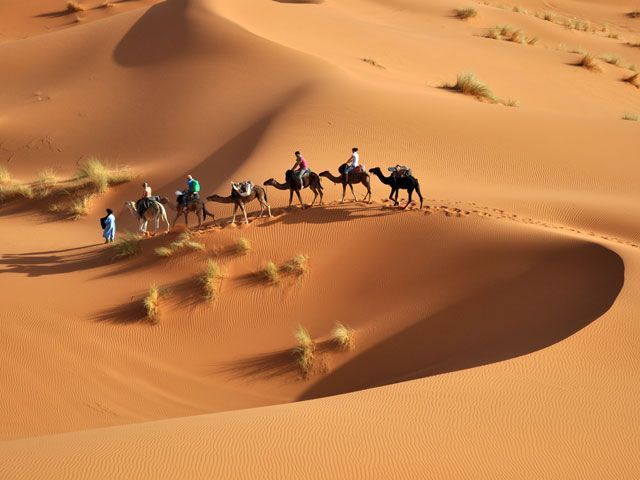
The Sahara is one of the most distinctive landscapes to explore in southern Tunisia. Around Douz, often referred to as the gateway to the desert, visitors can discover the dunes of the Grand Erg Oriental, where vast stretches of sand create a striking setting for outdoor activities.
Winter is particularly suitable for Sahara Desert tours in Tunisia, as temperatures are considerably more comfortable for exploring than during the summer months. Visitors can enjoy camel rides, four-wheel-drive excursions and desert walks, while sunrise and sunset bring changing colours and long shadows across the dunes. For those interested in a more immersive experience, an overnight stay in a desert camp offers the opportunity to enjoy the quiet atmosphere of the Sahara after sunset.
December Weather in Southern Tunisia: Temperatures and Sunshine
December brings relatively mild daytime conditions to the desert region, making it possible to explore its landscapes without facing the extreme heat of summer. In Tozeur, historical weather data from the 2015–2024 period indicate average daytime highs of approximately 18°C and nighttime lows around 8°C. Rainfall remains limited, with an average of about 8 mm during December.
These conditions make December in Southern Tunisia suitable for outdoor activities, although temperatures can change considerably between daytime and nighttime. While afternoons are generally pleasant for visiting oases and exploring desert landscapes, evenings and early mornings can feel quite cold, especially in open desert areas. Visitors planning overnight excursions should therefore prepare for lower nighttime temperatures rather than relying only on daytime conditions.
What to Pack for a Winter Trip to Southern Tunisia?
Preparing for a winter trip to the desert requires a little more attention to temperature changes. Days can be comfortable for outdoor activities, but evenings become noticeably colder, particularly during overnight stays in desert camps.
Here are a few useful items to include in your luggage:
- Lightweight daytime clothing: Comfortable outfits for walking, sightseeing and outdoor excursions.
- Warm layers: Sweaters, fleece jackets and a warm coat for evenings and early mornings.
- Comfortable walking shoes: Suitable for exploring oases, rocky paths and desert surroundings.
- Sun protection: Sunglasses, sunscreen and a hat for spending time outdoors.
- Warm accessories: A scarf and warm socks, especially if you plan to spend a night in the desert.
If your itinerary includes a Sahara Desert tour, remember that the temperature inside a desert camp can feel much colder after sunset. Packing suitable warm clothing will help make the experience more comfortable.
December Festivals in Southern Tunisia: Discover Douz and Tozeur
With its desert landscapes and rich cultural heritage, Southern Tunisia has another side to discover in December: its traditional festivals. Two events in particular offer visitors a closer look at the region’s identity and customs, bringing the cultural traditions of Douz and Tozeur to life.
International Sahara Festival of Douz: Celebrating Saharan Traditions
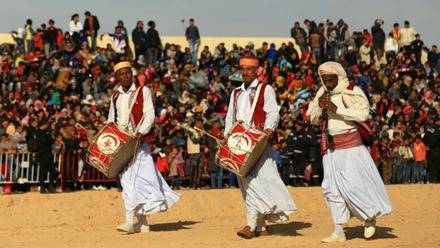
Douz hosts the International Sahara Festival, one of Tunisia’s best-known cultural gatherings dedicated to Saharan and nomadic traditions. The 58th edition is scheduled for 19–22 December 2026, according to the announcement made during the organising committee’s preparations in September 2026.
The festival traditionally features camel races, horse-riding demonstrations, folkloric performances, traditional wrestling and cultural exhibitions. Visitors can also discover Bedouin poetry, music and traditional ceremonies that reflect the heritage of the communities of the region. Among the highlights are the camel parades and the fantasia performances, which recreate scenes inspired by the region’s equestrian traditions.
For travellers, attending the International Sahara Festival of Douz is an opportunity to experience the cultural identity of the desert through performances and encounters with local traditions. It can also be combined with a visit to the surrounding dunes and an exploration of Douz, often described as the gateway to the Sahara.
International Oasis Festival of Tozeur: Discovering the Heritage of the Jerid
In Tozeur, the International Oasis Festival celebrates a different aspect of southern Tunisia’s heritage: the culture and traditions of the Jerid region. Closely connected to oasis life, this cultural gathering highlights the customs, artistic expressions and agricultural heritage that have shaped local communities over generations.
The festival traditionally includes folkloric music and dance, camel parades, craft exhibitions and activities showcasing local products and gastronomy. These celebrations offer visitors an opportunity to discover regional traditions while exploring the distinctive cultural identity of Tozeur and its surrounding oases.
The 2026 edition is expected to take place in December, although its exact dates and detailed programme have not yet been confirmed. For reference, the 46th edition took place from 26 to 29 December 2025.
Experiencing the Cultural Traditions of Southern Tunisia
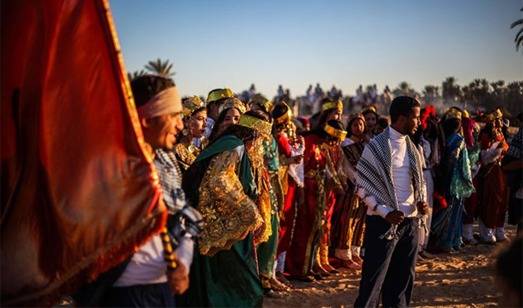
Beyond the festival programmes themselves, these celebrations provide an opportunity to discover the cultural identity of southern Tunisia. In Douz, the nomadic heritage is reflected in traditional clothing, camel-related activities, poetry and music. In Tozeur, the culture of the Jerid is closely associated with palm cultivation, oasis traditions, traditional architecture and local craftsmanship.
Visitors can also discover regional food specialities, taste locally produced dates and explore traditional markets where handmade products reflect skills passed down through generations.
Experiencing both festivals during a December trip provides two complementary perspectives on Southern Tunisia’s cultural heritage: the nomadic traditions of the Sahara and the oasis culture of the Jerid.
Transition to the next section:
Beyond these cultural celebrations, December also offers another way to enjoy a winter stay in Southern Tunisia, as the end-of-year season approaches and some hotels prepare special festive experiences for their guests.
Experiencing the Cultural Traditions of Southern Tunisia
Beyond the festival programmes themselves, these celebrations provide an opportunity to discover the cultural identity of southern Tunisia. In Douz, the nomadic heritage is reflected in traditional clothing, camel-related activities, poetry and music. In Tozeur, the culture of the Jerid is closely associated with palm cultivation, oasis traditions, traditional architecture and local craftsmanship.
Visitors can also discover regional food specialities, taste locally produced dates and explore traditional markets where handmade products reflect skills passed down through generations.
Experiencing both festivals during a December trip provides two complementary perspectives on Southern Tunisia’s cultural heritage: the nomadic traditions of the Sahara and the oasis culture of the Jerid. It can also be an opportunity to extend the journey into the holiday season. Imagine spending Christmas in a hotel surrounded by the peaceful desert landscapes, enjoying a special festive dinner, or welcoming the New Year with an evening of celebrations in this distinctive setting. Some hotels organise special programmes for their guests, adding another experience to a winter stay in the south.
Planning Your December Trip to Southern Tunisia
Once you have explored the landscapes, cultural traditions and December festivals of the region, the next step is to organise your stay. Planning a trip to Douz and Tozeur requiers considering travel times, the activities you want to enjoy and the dates of the events you wish to attend.
Best Time to Visit Douz and Tozeur
The period from October to April is generally considered suitable for discovering Southern Tunisia, particularly for travellers interested in desert excursions and outdoor activities. December is an interesting month because it combines relatively mild daytime temperatures with cultural events, including the International Sahara Festival in Douz.
For visitors planning their trip around the festivals, it is important to check the official event dates before booking accommodation and transport. The end of December can also be an appealing time to extend a stay towards the Christmas and New Year holidays, particularly in hotels offering special festive programmes.
Although daytime conditions are generally suitable for exploring, winter nights in the desert can be cold. Travellers planning a night in a desert camp should take this seasonal difference into account when organising their activities and accommodation.
How to Travel Between Douz and Tozeur
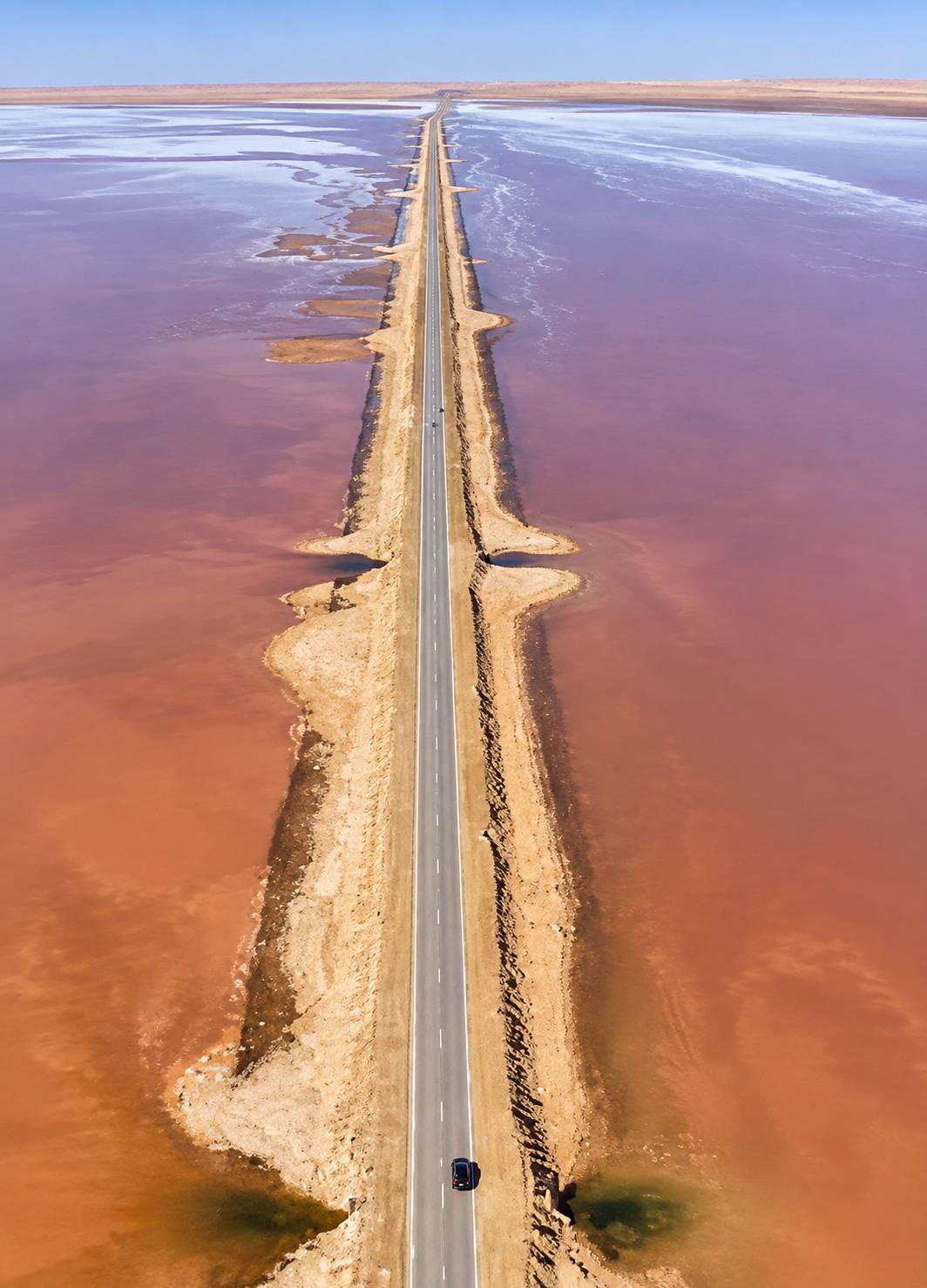
Visiting both destinations during the same trip is possible, as Douz and Tozeur are connected by road across the Chott el Jerid area. The journey covers approximately 120 kilometres and takes around 1 hour 30 minutes to 2 hours by car, depending on the route and stops along the way.
Travellers have several transport options:
- Rental car: A convenient option for visitors who want flexibility and the freedom to stop along the way, particularly around Chott el Jerid.
- Private transfer or taxi: Suitable for travellers who prefer direct transport without driving themselves.
- Shared transport (louage): Another possibility, although a direct connection may not always be available. Travellers may need to change vehicles in Kebili when travelling between the two towns.
For visitors planning desert excursions beyond the main roads, arranging transport with a local guide or specialised operator is recommended. Some remote desert routes require suitable vehicles and prior authorisation.
How Many Days to Spend in Southern Tunisia?
To enjoy Douz and Tozeur in December without rushing between destinations, it is worth allowing at least three to four days for the main experiences. This gives visitors enough time to explore the oases, discover the desert landscapes and attend cultural activities, depending on the festival schedule.
A shorter two-day visit can cover the main highlights of one destination, but including both towns and a desert excursion is easier with a longer stay.
For travellers arriving from Tunis or the coastal resorts, additional travel time should also be considered. The journey to southern Tunisia is relatively long, so spending several nights in the region makes the trip more worthwhile.
What to Include in Your Southern Tunisia Winter Itinerary?
A winter itinerary combining Douz and Tozeur can bring together desert adventures, oasis discoveries and cultural experiences. Here is an example of how to organise a four-day stay. For more travel inspiration, explore our Trips page and discover the different journeys and destinations available across Tunisia.
Day 1 – Discover Tozeur and its surroundings
- Explore the traditional architecture of Tozeur’s old town.
- Visit the palm groves and discover the region’s oasis heritage.
- Take an excursion towards Chott el Jerid to admire its vast salt landscapes.
Day 2 – Explore the desert landscapes
- Travel towards Douz and discover the gateway to the Sahara.
- Enjoy a camel ride or a 4×4 excursion through the dunes.
- Experience a desert camp and enjoy the peaceful atmosphere after sunset.
Day 3 – Discover Douz and its cultural heritage
- Explore the town and its traditional markets.
- Discover local crafts, regional food and Saharan traditions.
- If your visit coincides with the International Sahara Festival, attend some of its cultural performances and activities.
Day 4 – Enjoy the festive atmosphere and local experiences
- Take time to discover more of the region or enjoy a relaxed hotel stay.
- Depending on your travel dates, look for special Christmas dinners or New Year’s Eve programmes organised by hotels.
- Enjoy a final evening in the distinctive atmosphere of southern Tunisia before continuing your journey.
This itinerary can be adapted according to festival dates, accommodation choices and personal interests. Travellers who have more time can also include nearby destinations such as the mountain oases of Chebika and Tamerza.
Winter offers an opportunity to discover Tunisia beyond its familiar summer image. From the country’s diverse landscapes to the cultural festivals of Douz and Tozeur, this season brings together experiences that appeal to travellers interested in nature, heritage and local traditions.
In Southern Tunisia, the Sahara, palm-filled oases and cultural celebrations create a distinctive atmosphere for a winter getaway. Visitors can explore desert landscapes, discover the traditions of the Jerid and enjoy the festive season through special hotel experiences around Christmas and New Year’s Eve.
Whether you are planning a cultural journey, a desert adventure or a holiday combining local discoveries with end-of-year celebrations, Southern Tunisia has plenty to offer. Thinking about planning a trip to the south? The Open Tunisia team is here to take care of the arrangements, from choosing your destinations and accommodation to organising your activities, so you can focus on enjoying the journey. Get in touch with our team and let us help you plan your Southern Tunisia getaway.
Frequently Asked Questions About Visiting Tunisia in Winter
1. Is Tunisia a good destination to visit in winter?
Yes! Tunisia in winter offers mild weather, cultural discoveries, desert excursions and fewer summer crowds.
2. What is the weather like in Tunisia in December?
Temperatures are generally mild, although conditions vary across the country. Days are pleasant, while evenings can be chilly, especially in the desert.
3. What are the best places to visit in Tunisia in winter?
Douz, Tozeur and Djerba are among the interesting destinations for winter holidays, offering desert landscapes, oasis discoveries and cultural experiences.
4. Is December a good time to visit the Sahara?
Absolutely! The cooler daytime temperatures make it an excellent period for camel rides, 4x4 excursions and desert camps.
5. Can you celebrate Christmas in Tunisia?
Yes. Several tourist hotels organise Christmas dinners, decorations and special activities for their international guests.
6. Where can you celebrate New Year's Eve in Tunisia?
Hammamet, Sousse, Djerba and Tozeur offer hotel stays with festive dinners and New Year's Eve entertainment.
7. What festivals take place in Southern Tunisia in December?
The main cultural events include the International Sahara Festival of Douz and the International Oasis Festival of Tozeur, celebrating local traditions and heritage.
8. How many days do you need to visit Douz and Tozeur?
Allow around 3 to 4 days to explore both destinations, enjoy desert activities and discover their cultural heritage.
9. What should you pack for a winter trip to Southern Tunisia?
Bring comfortable daytime clothing, walking shoes, sunscreen and warm layers for the cold desert evenings.